Oct 6, 2026
Tempered Glass Lenses: Why Your Dive Mask Lens Must Be Tempered
Tempered glass dive mask lenses explained: impact strength, blunt granule break pattern, how to spot a tempered lens, and when PC lenses make sense for kids masks.
The Lens Is a Safety Part
A mask lens sits centimeters from your eyes while you push it onto your face, drop it on a boat deck, and wear it under changing pressure. That is why every serious dive and snorkel mask uses tempered glass — and why a lens described only as "glass" or, worse, plastic, should make a buyer think twice.
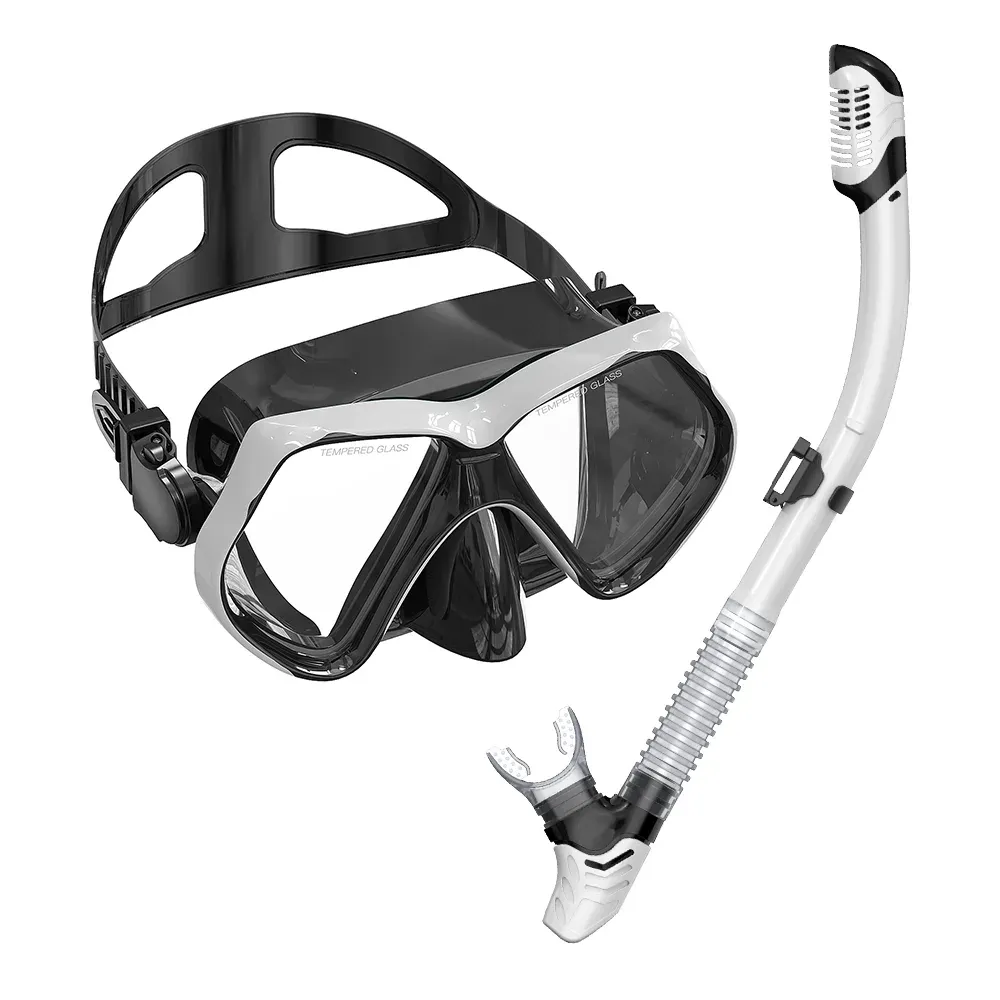
What Tempering Changes
Tempering heats the glass and cools it rapidly, creating internal compression. The result is a lens roughly four to five times stronger against impact than ordinary glass of the same thickness. When it does break, it shatters into small blunt granules instead of sharp shards — the difference between a scare and an injury.
How to Check a Lens Yourself
• Look for the stamped marking: tempered lenses usually carry a small etched logo or the word "tempered" in a corner.
• Check the polarizing test: through polarized sunglasses, tempered glass often shows dark interference patterns.
• Listen: gently tap — tempered glass rings; ordinary glass thuds.
• Ask the supplier for the test report — any factory that tempers properly has one.
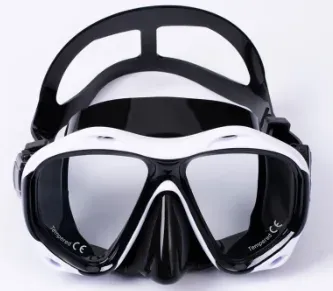
PC Lenses Have Their Place
Polycarbonate lenses appear on kids masks and casual full face snorkel masks: they are light, unbreakable and cheap. The trade-off is lower optical clarity and faster scratching. For children's products and surface floaters, good PC is a reasonable choice; for anything deeper than a pool, tempered glass wins.
What a Buyer Should Specify
When ordering masks wholesale, put the lens in the contract: tempered safety glass with certification, thickness, and clarity grade. ZHONG JIAN supplies tempered-glass masks across all adult and kids models with test documentation, plus PC-lens versions for entry-level programs. See the masks or request samples to test the difference yourself.