Oct 6, 2026
Inside the Factory: Quality Checks Behind Every Mask and Fin
Inside diving gear factory quality control: material checks, molding parameters, tempered glass verification and pull tests — plus what buyers should demand from any supplier.
Quality Is a Process, Not a Sticker
Two masks can look identical on a shelf and behave completely differently after a season in salt water. The difference is made — or lost — on the factory floor: in the compound mixing, the molding parameters, and the checks that happen before anything is packed. Buyers who understand the process ask better questions and get better product.
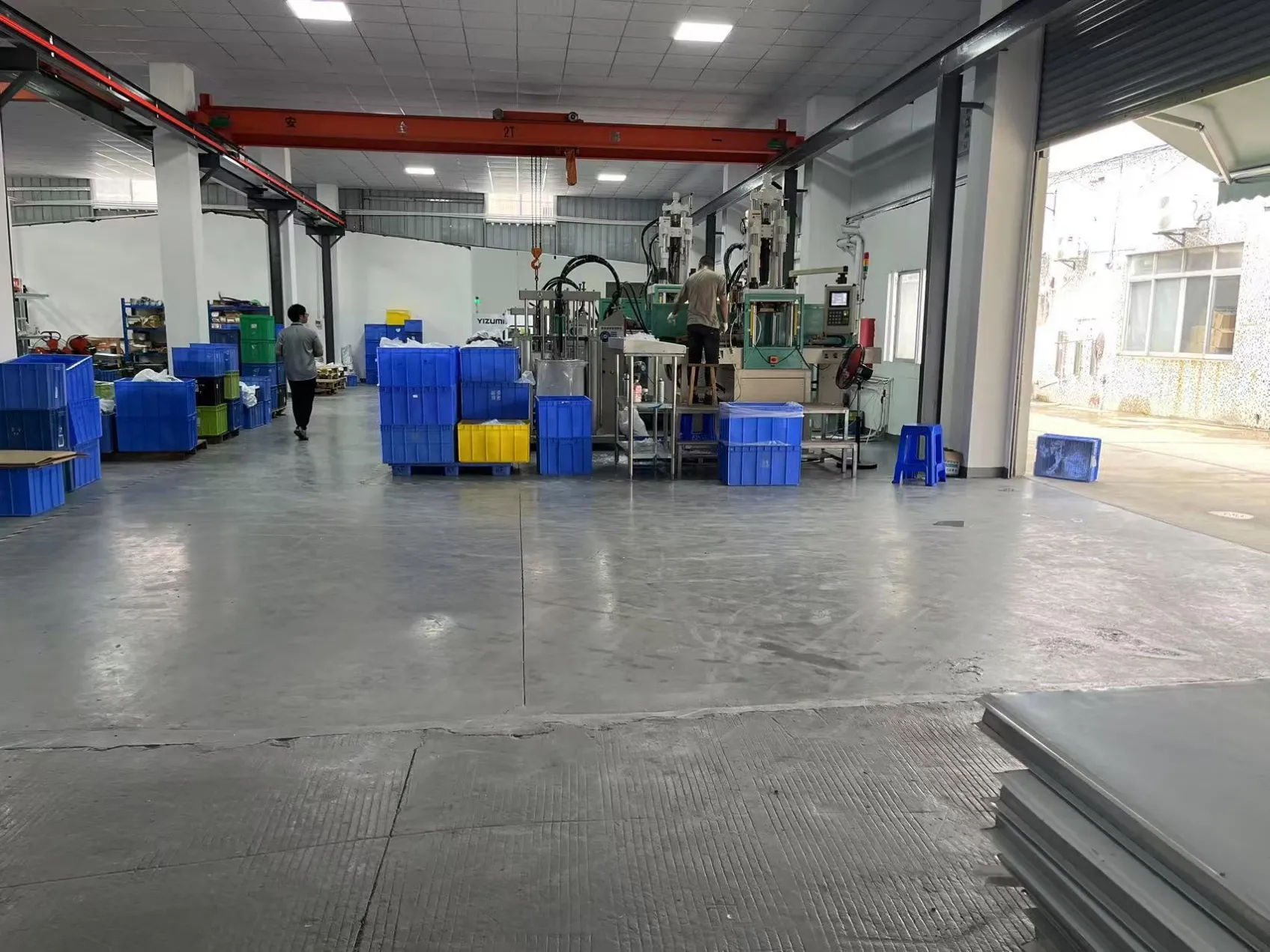
Where Quality Is Built In
• Material control: incoming silicone and compounds checked for hardness and cleanliness before they reach the press.
• Molding: temperature and cure time controlled per batch — under-cured skirts tear; over-cured ones lose elasticity.
• Assembly: lens and skirt bonding inspected so the frame never separates underwater.
• Tube and valve work: snorkel dry-top floats tested so the valve actually seals, not just "usually."
The Checks Every Mask Should Pass
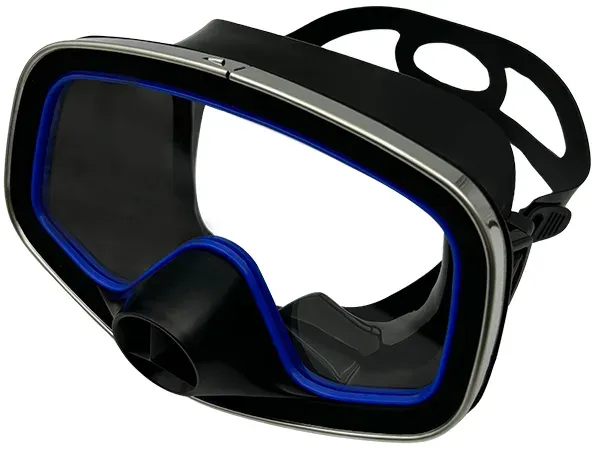
• Suction/fit check on standard head forms for each skirt mold.
• Tempered-glass verification — impact test samples per batch, not just the certificate on file.
• Strap and buckle pull tests on adjustable fins.
• Visual inspection under light for skirt nicks, frame flash and lens blemishes — 100% on export orders.
What Buyers Should Ask For
Material declarations, per-batch test records, and a pre-shipment inspection right — either your own team, a third party, or the factory's report with photos. Consistency matters as much as the first sample: ask how the factory guarantees batch-to-batch color and hardness across reorders.
How We Run It
ZHONG JIAN molds and assembles masks, snorkels, fins and goggles in one workshop, with per-batch material checks, 100% visual inspection on export orders and documented test reports. See how we work or arrange factory samples and reports.