Oct 6, 2026
Retail-Ready Packaging for Masks, Snorkels and Fins: A Buyer's Checklist
Retail packaging for snorkel gear: what the box must show and survive, box types by sales channel, and the practical steps to run a packaging project with a factory.
Packaging Sells the Set Before Anyone Touches It
Snorkel gear is a touch-and-try category, but the first contact always happens through the box — on a shelf, in a marketplace photo, or in a shop's social feed. Buyers who treat packaging as an afterthought leave margin on the table; the packaging is part of the product spec, not an extra.
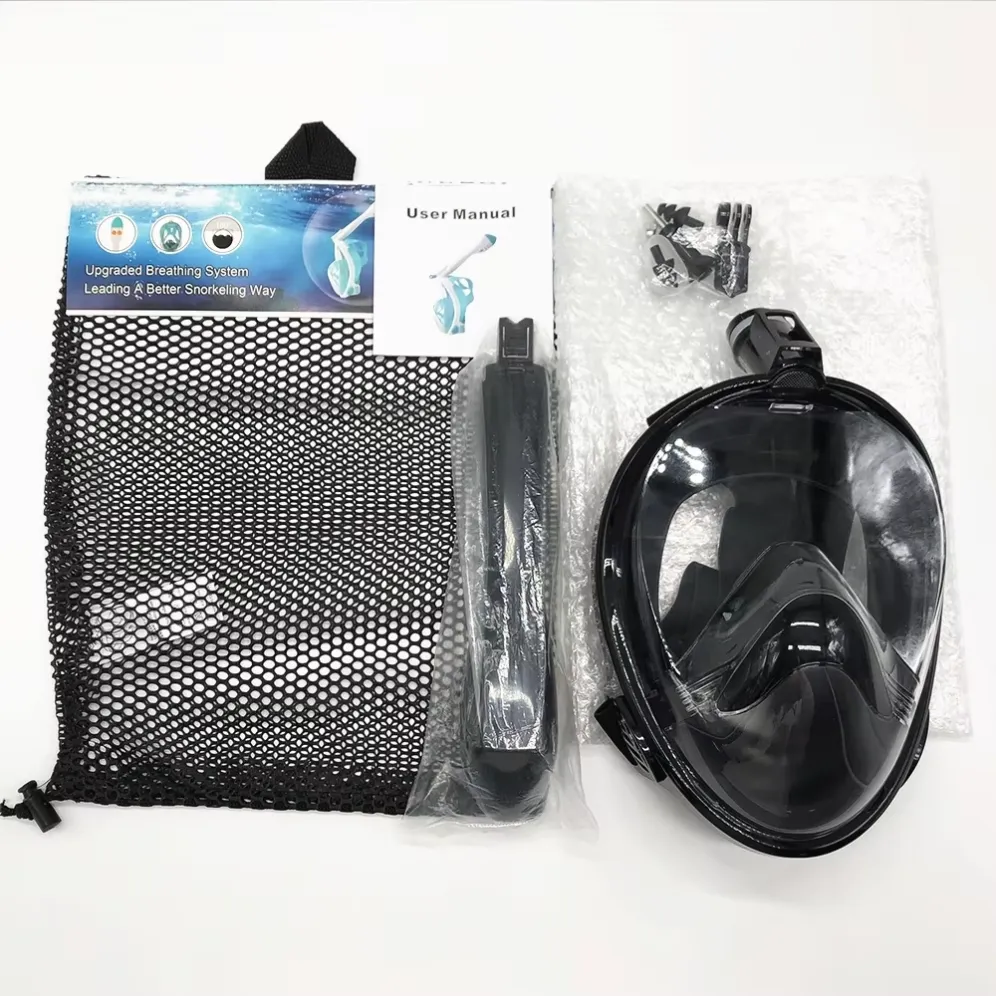
What the Box Must Do
• Show the product: a window or a high-quality printed photo, with the actual colors matched — shoppers notice a mismatch between box and mask.
• Carry the decisions: size range, material callouts (silicone, tempered glass), and the age group printed clearly.
• Survive the supply chain: retail boxes travel inside master cartons for weeks; compression strength is a real specification, not a nice-to-have.
• Pass the language test: instructions and warnings in the destination market's language are a legal requirement in many regions.
Box Types by Channel
• Beach and resort retail: printed cardboard with window, hanging hole for peg walls.
• Sports chains: full-color boxes with size charts and barcodes, stacked in master cartons.
• E-commerce: compact, tamper-evident, photo-friendly packaging that survives parcel networks.
• Hotel and gift programs: compact sets with custom prints and co-branding.
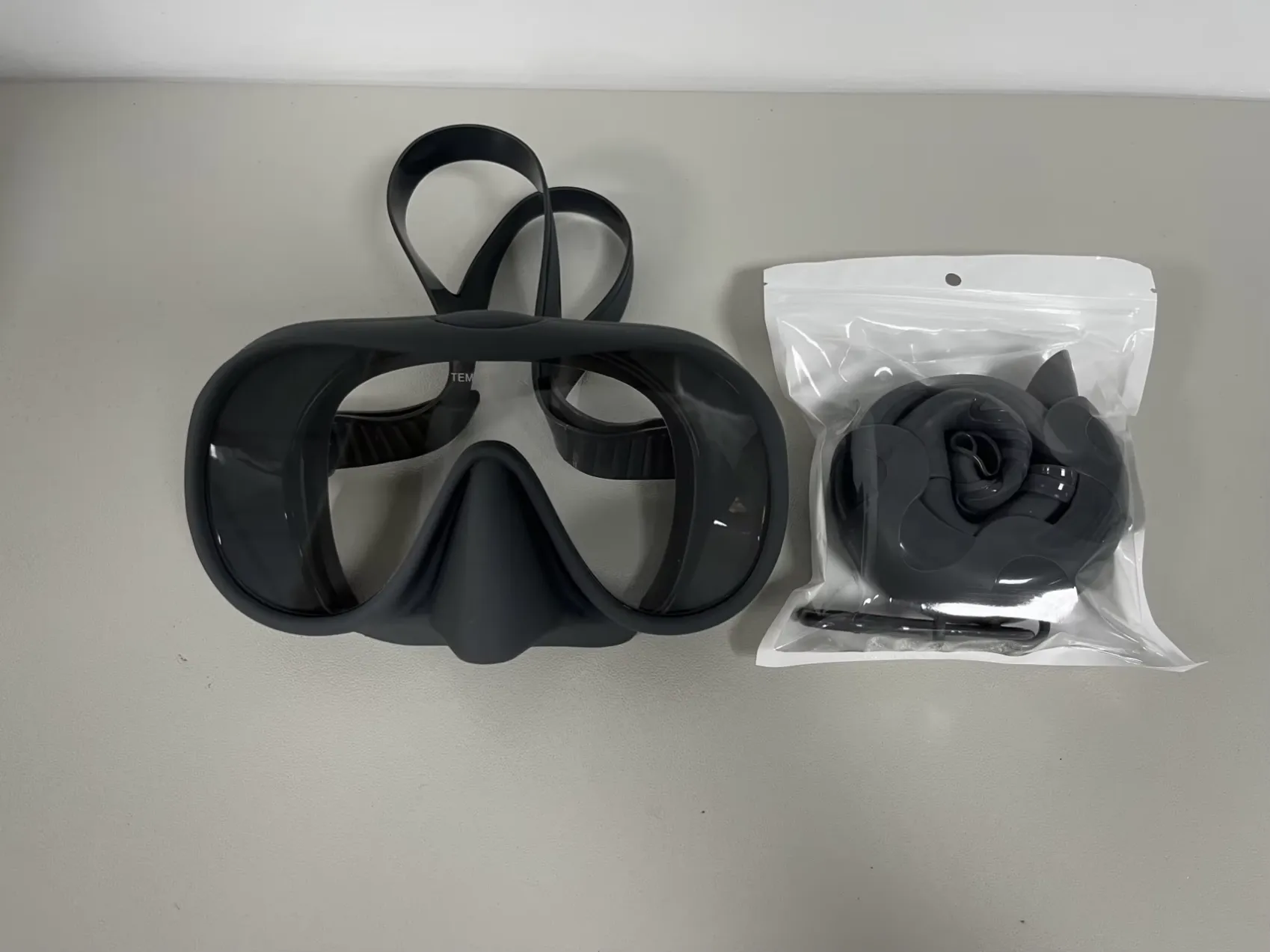
Practical Steps for a Packaging Project
Send your logo, language versions and barcode data with the order; ask for a printed die-line proof before mass production; and order one extra sample carton set for your own drop test. Packaging changes mid-production are expensive — lock the artwork before the first SKU ships.
One Supplier, Gear and Box Together
ZHONG JIAN packs sets in custom retail boxes with hang tags, multilingual instructions and barcodes as part of the OEM program, so the gear and the box arrive matched. See the product range or send your artwork for a packaging quote.