Oct 6, 2026
Swim Goggles vs Dive Masks: Different Tools for Different Water
Swim goggles vs dive masks: the nose pocket difference, pressure equalizing limits, best use cases for each, and how retailers can stock and explain both.
They Look Similar and Do Different Jobs
Swim goggles and dive masks both keep water off your eyes, and shoppers often treat them as interchangeable. They are not. The difference starts with the nose: a dive mask encloses the nose so you can equalize pressure, while goggles seal around the eyes only. That single design choice separates their uses.
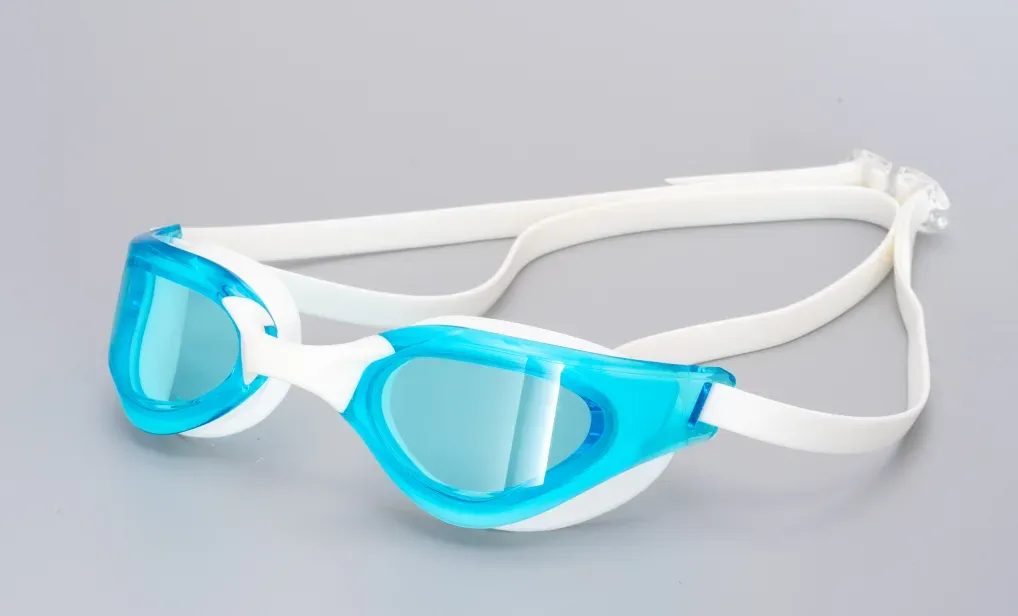
Where Swim Goggles Win
• Lap swimming and training: low profile, minimal drag, secure on flip-turns.
• Kids' pool confidence: easy to put on, no pressure equalizing needed at shallow depth.
• Quick dips and water parks where diving down is brief and shallow.
Worn deeper than a meter or two, goggles press painfully on the eye sockets because there is no air space to equalize — that is the hard limit.
Where a Dive Mask Wins
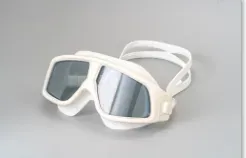
• Anything deeper than a meter: exhale through the nose into the mask and pressure equalizes instantly.
• Snorkeling and scuba: wider view, strap design holds under fin kicks, skirt seals on varied faces.
• Longer sessions: a mask's soft silicone skirt distributes pressure without the eye-socket ache goggles cause after an hour.
Retailers: Stock Both, Explain the Line
Pool-program buyers and beach retailers serve overlapping customers. A simple shelf card — "goggles for laps and shallow play, masks for snorkeling and diving" — converts confusion into two sales. Kids programs often buy both: goggles for lessons, a mask set for the reef trip.
Both from One Production Line
ZHONG JIAN manufactures swim goggles (adult, kids, mirrored and clear lenses) and dive masks side by side, with shared silicone quality and color programs across the wall. See all product categories or contact us for a combined quotation.