Oct 6, 2026
Why Your Snorkel Mask Fogs Up and How to Stop It
Why snorkel masks fog and how to stop it: scrub the factory release layer, field anti-fog tricks that work, and design details — tempered glass, low volume, sealed skirts.
Fog Is Just Physics
A mask fogs when warm, humid air from your face meets a lens cooler than the dew point — droplets form on the inside of the glass and scatter the light. Every anti-fog method works in one of two ways: either stop the temperature gap, or change the surface so droplets cannot form a film.

First: Scrub the Factory Release Layer
Brand-new masks fog the worst because mold-release residue from manufacturing still coats the lens. Clean the inside glass with a mild abrasive — regular white toothpaste works — rubbing gently several times, rinsing, and repeating. Skipping this step is the number-one reason new masks stay foggy no matter what the owner tries.
Field Methods That Work
• Spit and rinse: the classic — rub saliva on the inner lens, rinse briefly. Free and always with you.
• Commercial anti-fog gel: reliable for a session, but costs add up for rental fleets.
• Baby shampoo pre-coat: rub in, rinse lightly at the beach shower; long-lasting and gentle on eyes.
• Keep water in the mask: leaving a little seawater inside to slosh on the lens is an old freediver trick.
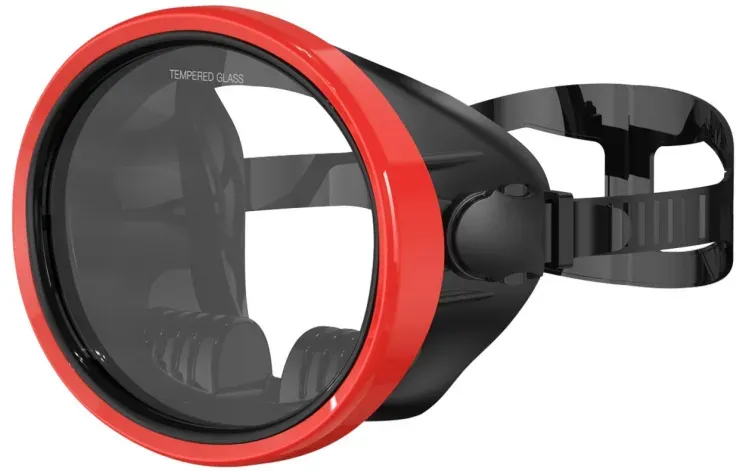
Design Details That Reduce Fogging
Breathable frame designs that channel warm air away from the lens, single-lens or low-volume shapes with less trapped air, and skirts that seal properly (less in-out exchange of humid air) all help. Full face snorkel masks solve the problem differently — with a nose zone that keeps exhaled air out of the lens chamber — which is another reason they appeal to fog-prone snorkelers.
Anti-Fog by Design, Not Just by Spray
ZHONG JIAN builds masks with tempered glass, breathable frame channels and precise silicone skirts that keep interior air volume low. Brands and distributors can also order masks packed with an anti-fog mini gel as a co-branded accessory. See the mask range or contact our team.