Oct 6, 2026
Dry Top, Semi-Dry and Classic Snorkels: Which Valve System Fits Your Use
Classic, semi-dry and dry top snorkels compared: how each valve system works, clearing effort, maintenance needs, and which type suits rental fleets, kids and holiday sets.
What the Top of the Tube Does
The snorkel's job sounds simple — air above water, water kept out — but the top valve is where designs differ. Three families exist: the classic open tube, the semi-dry splash guard, and the full dry top with a float mechanism. Each trades simplicity against water protection, and picking wrong is a common beginner annoyance.
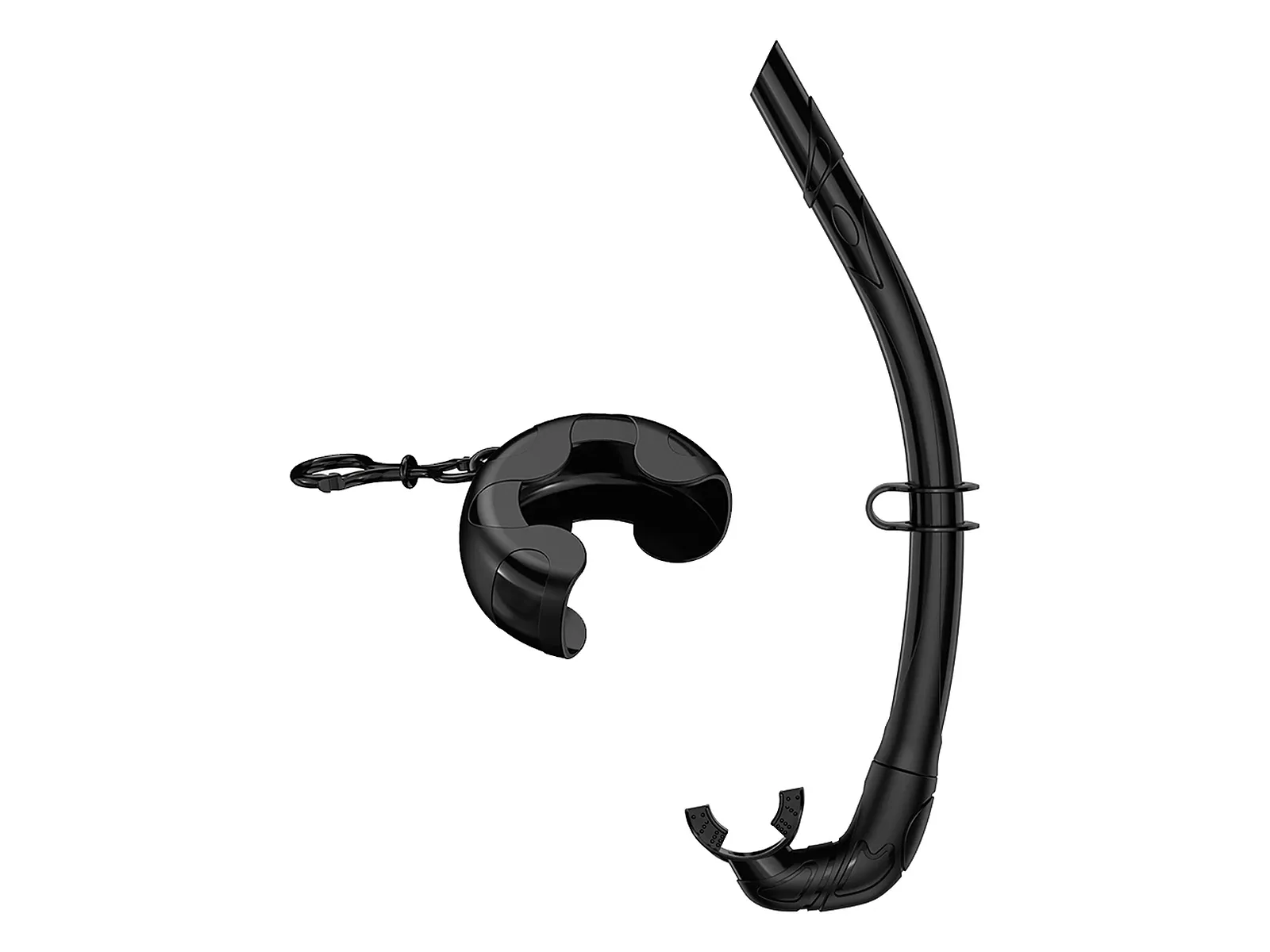
Classic (Wet) Snorkel
Just a curved tube with a mouthpiece. Nothing to fail, nothing to maintain, easiest to clear with a sharp blow when water enters. Freedivers and swimmers who keep the snorkel in their mouth only at the surface love the simplicity. For wave-heavy snorkeling, though, every splash means a mouthful to clear.
Semi-Dry: Splash Guard
A baffled cap deflects spray and drips while you swim. It does not seal when the tube goes fully under — but for most beach snorkeling it removes 80 percent of the annoyance at minimal cost. Weight, drag and breathing resistance all stay close to a classic tube.
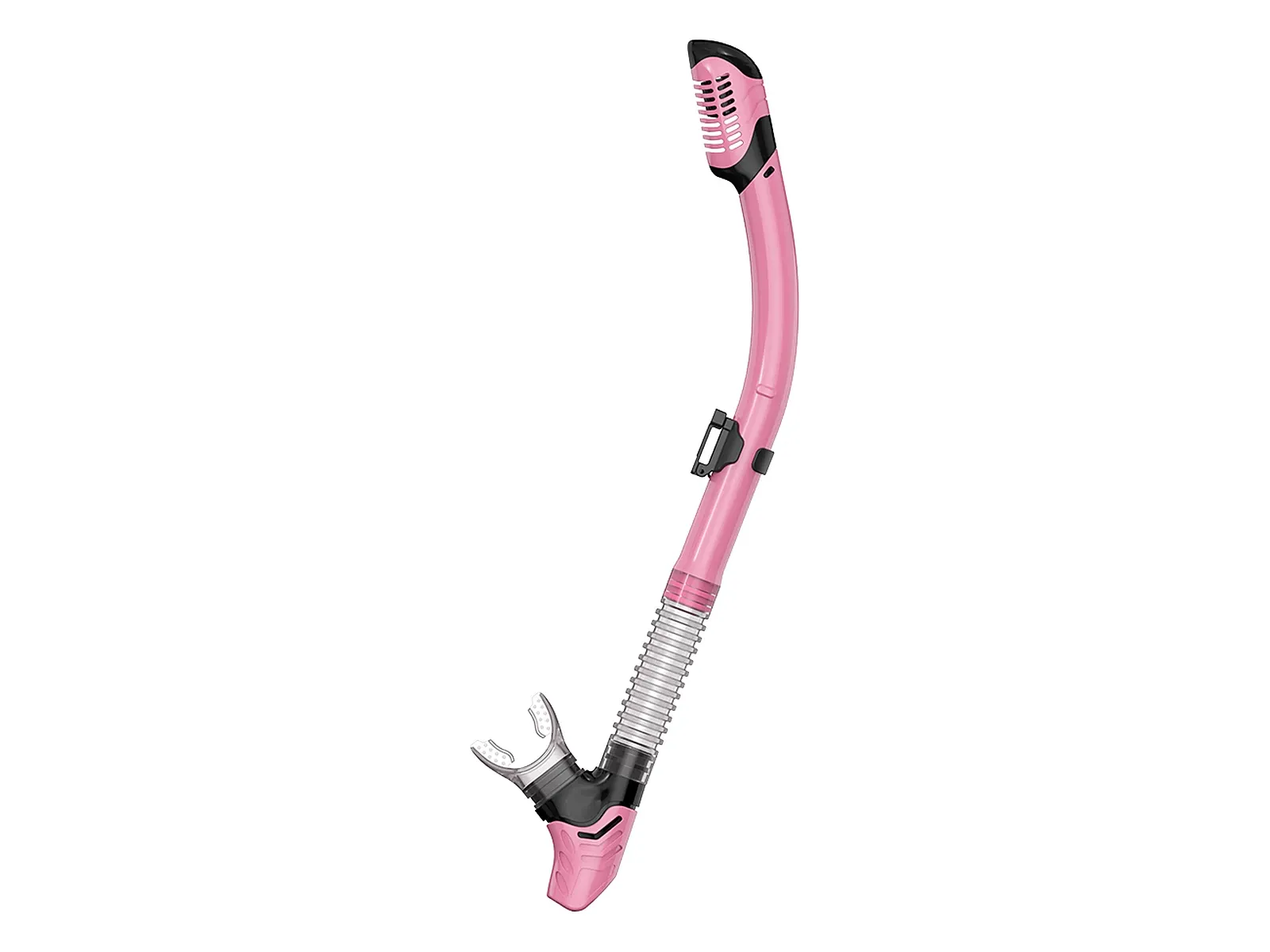
Dry Top: The Float Valve
• A buoyant float rises into the tube opening when submerged, sealing air in and water out.
• Lets you dip under a wave or look underwater briefly without gulping sea water on resurfacing.
• Adds slight breathing resistance and moving parts that need rinsing and care.
• The default choice for beginners, kids and full face snorkel masks.
Matching Tube to User
Rental fleets lean dry top because guests will not maintain gear and clearing technique varies wildly. Training and lap swimming lean classic or semi-dry for breathing feel. Retail sets for holiday markets sell best with a dry top on the box — the feature buyers understand in one sentence.
Supply for Every Program
ZHONG JIAN molds classic, semi-dry and dry-top snorkels in silicone and PVC tube options, with kids versions and liquid silicone mouthpieces for comfort. See the snorkel range or request a wholesale quotation.