Oct 6, 2026
Fin Blade Materials Compared: PP, TPE, Silicone and Carbon Fiber
Diving fin blade materials explained: PP structure, TPE flex, silicone softness and carbon fiber reinforcement — which blend suits beginners, kids, rental fleets and strong swimmers.
Why Blade Material Decides the Kick
A fin blade is a spring: it stores energy as it bends and returns it as thrust. How much it bends, how fast it returns, and how long it survives sun and salt all come from the material blend. Manufacturers combine rigid and soft polymers — usually a rigid core structure with soft side rails or panels — to tune the feel.
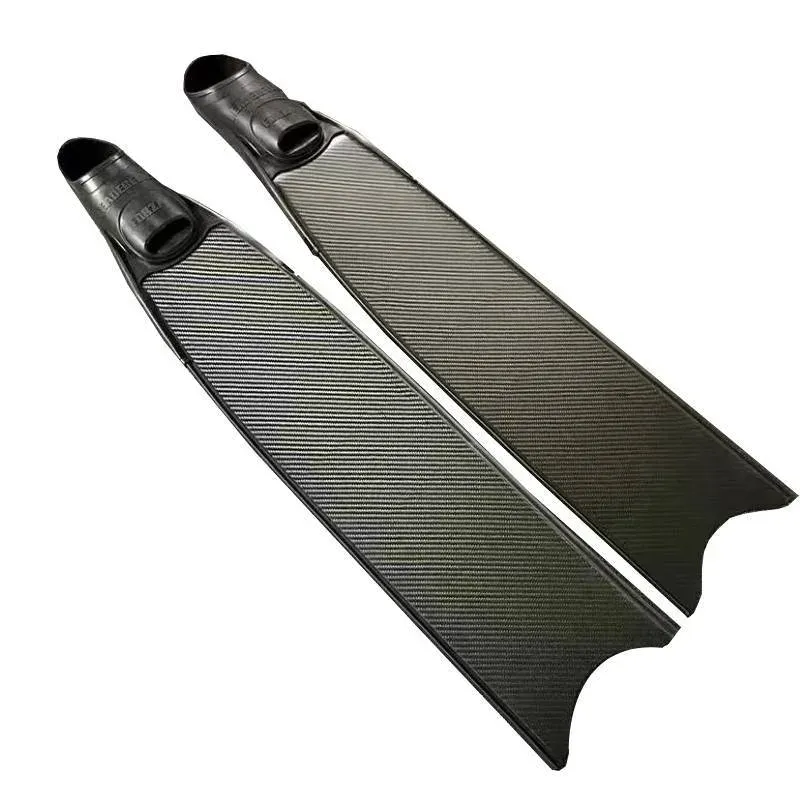
The Four Common Compounds
• PP (polypropylene): the rigid backbone. Holds blade shape, resists fatigue, keeps cost low.
• TPE (thermoplastic elastomer): the flexible partner. Adds snap and soft rails; blended with PP in most mid-range fins.
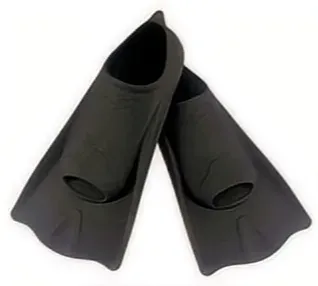
• Silicone: the soft, luxurious option. Whole-silicone kids fins and short travel fins are gentle on legs and nearly indestructible, at a higher material cost.
• Carbon fiber reinforced: the performance tier. Glass or carbon reinforcement stiffens the blade precisely where strength is needed, returning more energy per kick for strong swimmers and long swims.
Matching Material to User
• Beginners and rental fleets: PP+TPE — durable, forgiving, inexpensive to replace.
• Kids and pool programs: silicone — soft, safe, no sharp edges, survives being sat on.
• Snorkel tour guides and strong swimmers: reinforced blades that keep thrust up over long days.
• Heavy, cold-water use: stiffer reinforced blades over boots.
Durability in the Field
What kills fins is not kicking — it is storage in a hot car, UV exposure, and being wedged into deck boxes. PP+TPE blends handle abuse well; check a rental fin's blade tips and rails for white stress marks, the first sign of fatigue. Reinforced blades fail less from flex and more from edge impacts, so bumpers matter.
From Mold to Market
ZHONG JIAN injection-molds PP, TPE, silicone and reinforced blades in-house, so a product line can step from kids silicone fins to carbon-reinforced performance models with consistent foot pockets and colors. See the fin range or request material samples.