Oct 4, 2026Diving Destinations
Warm Water Diving and Snorkeling: Gear and Planning Tips
Warm water diving means light wetsuits, reef-safe routines and simple gear. Learn how to plan and what to pack for tropical diving.
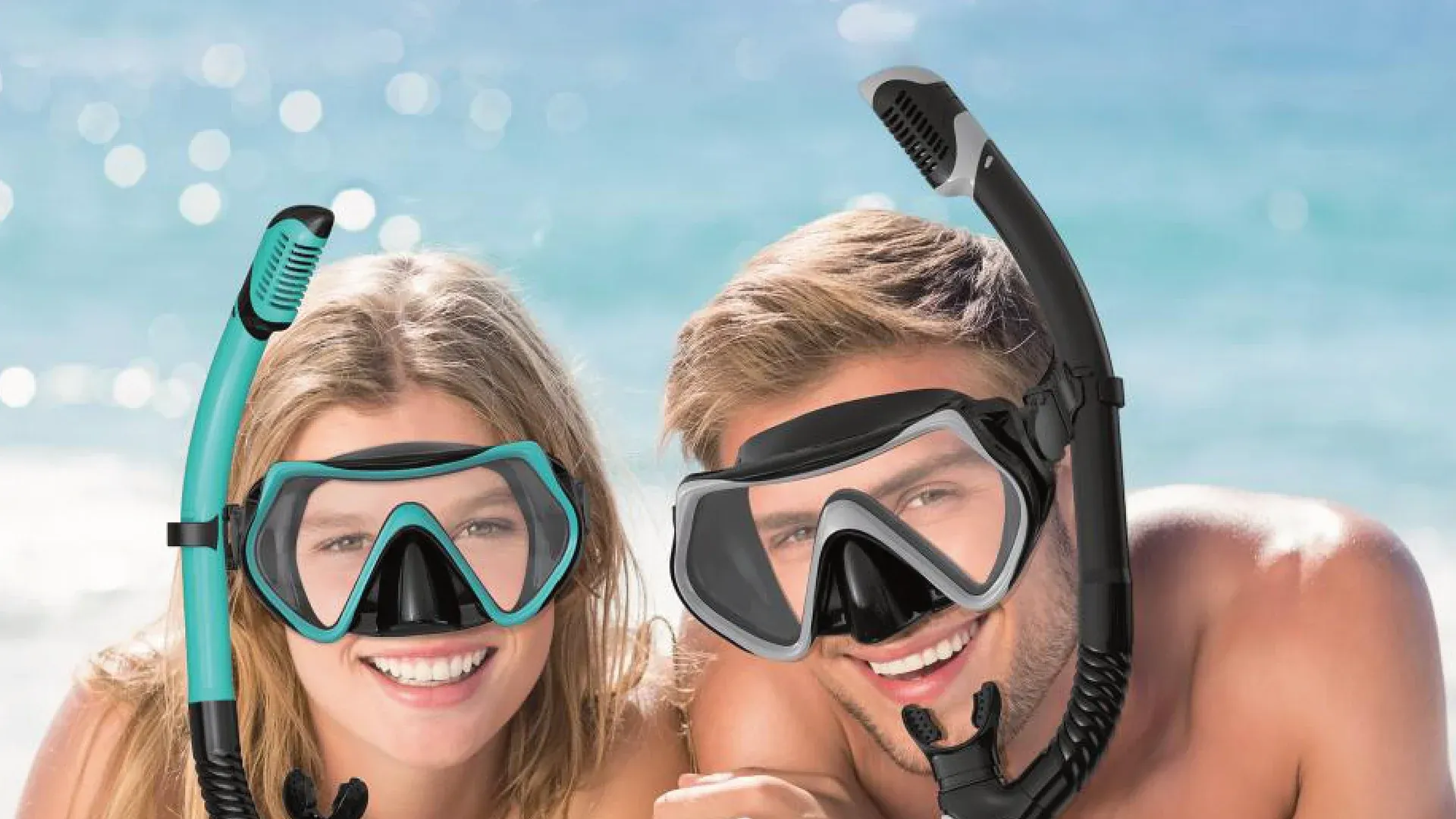
Warm water diving is where most divers start and where many return again and again. Clear conditions, colorful reefs and the simple comfort of diving in a shorty or rash vest make destinations like Egypt, the Maldives, Palau, the Bahamas and Fiji perennially popular. But warm water has its own small set of rules, and they start with gear selection.
Less wetsuit, more exposure - so plan for it
Without a thick suit, most of your skin is exposed to sun, salt and coral. A rash vest or lightweight shorty is the warm-water standard: it protects against sunburn between dives, eases entry into the water on breezy boat rides, and stays comfortable for multiple dives a day. Even in 28-30°C water, a thin layer helps against contact with reef edges and jellies.
Reef-safe sun protection matters in these destinations. Every major diving region now asks visitors to use mineral-based sunscreen or long clothing, and freedivers and snorkelers often simply cover up.
Gear that likes warm water
Warm environments are gentle on gear in some ways and demanding in others. Silicone stays soft and comfortable, which is a plus for mask skirts and mouthpieces. Salt crystals, however, form quickly in the sun - a freshwater rinse after every session is the single best habit for masks, snorkels and fins alike. Leave gear to dry in the shade, not on a sunbaked deck; UV ages silicone and rubber faster than saltwater does.
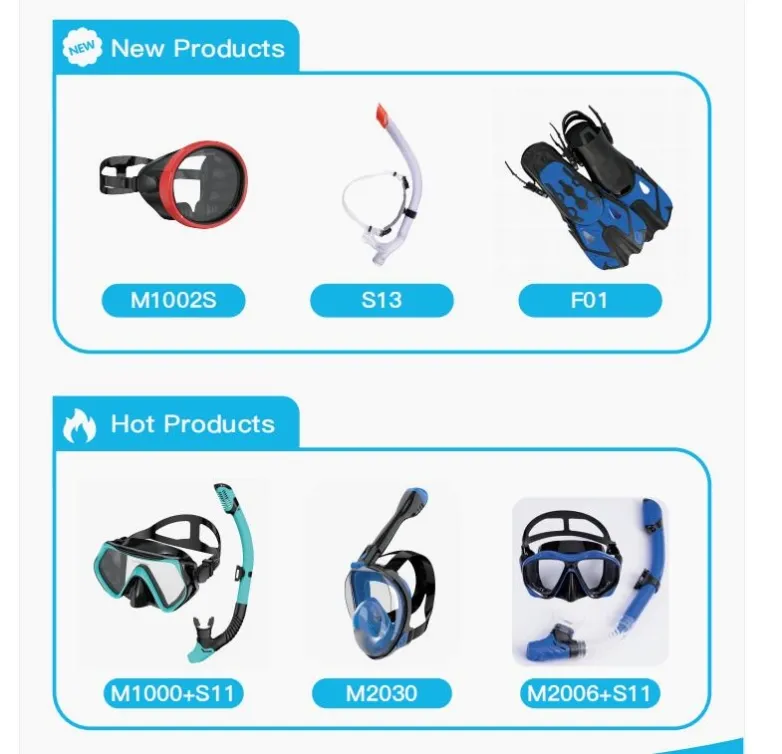
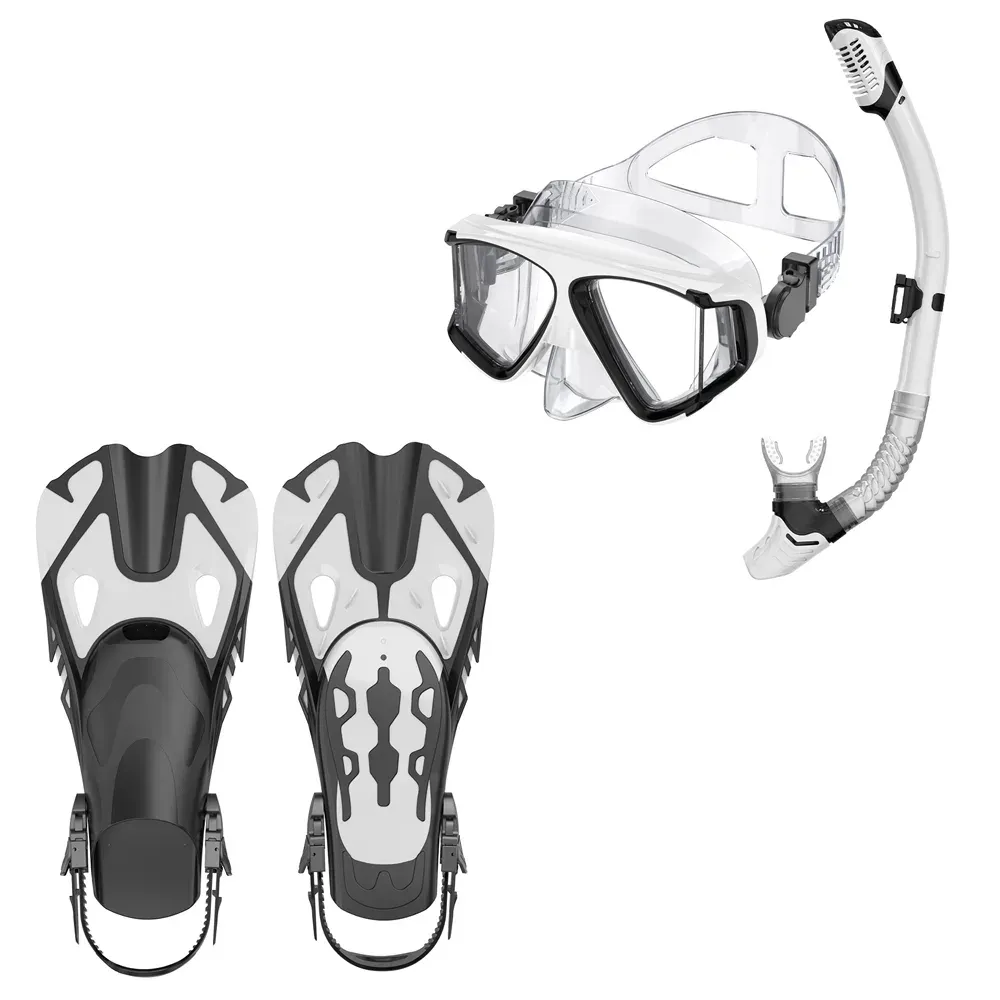
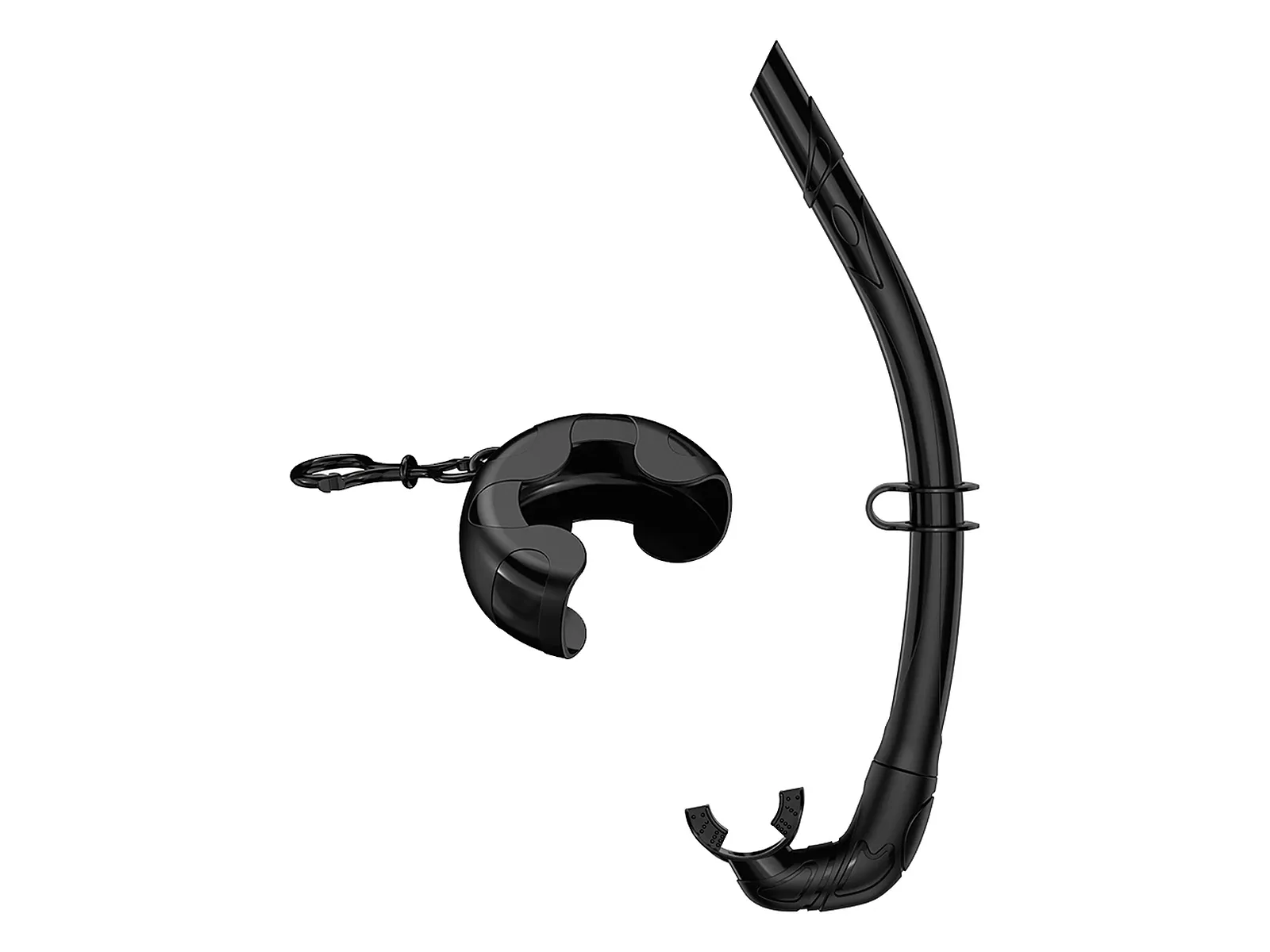
For snorkeling-heavy days, a dry-top snorkel makes surface swimming effortless, and travel fins are ideal - light enough for long swims but still useful for a guided dive. If you plan to dive and snorkel on the same trip, travel fins pair well with a light boot or full-foot design.
When to go: know the seasons
Warm water seasons overlap with rain, storms and currents, so timing matters. Egypt's diving year peaks in autumn and spring; the Maldives runs dry over the northern winter; Palau is at its best from December to April; the Bahamas shines in summer; Fiji's clear, warm window runs from July to September. Matching your trip to these windows does more for visibility than any gear upgrade.
In warm water, the checklist is short: cover your skin, rinse your gear, and dive when the season is on your side.
Preparing for your next trip
Whatever your destination, test your mask seal, check fin straps and confirm your snorkel clip before packing - gear problems are cheapest to solve at home. If you need to refresh equipment before a trip, or you outfit a dive shop or rental fleet, ZHONGJIAN produces diving masks, snorkels and fins with warm-water programs in mind. Send your requirements to ferrytk898@gmail.com and we will help you choose.