Oct 4, 2026Product Knowledge
The Future of Dive Tech: What Is Changing in Masks, Snorkels and Fins
From smarter materials to better fits, dive equipment keeps evolving. See the trends shaping the future of masks, snorkels and fins.
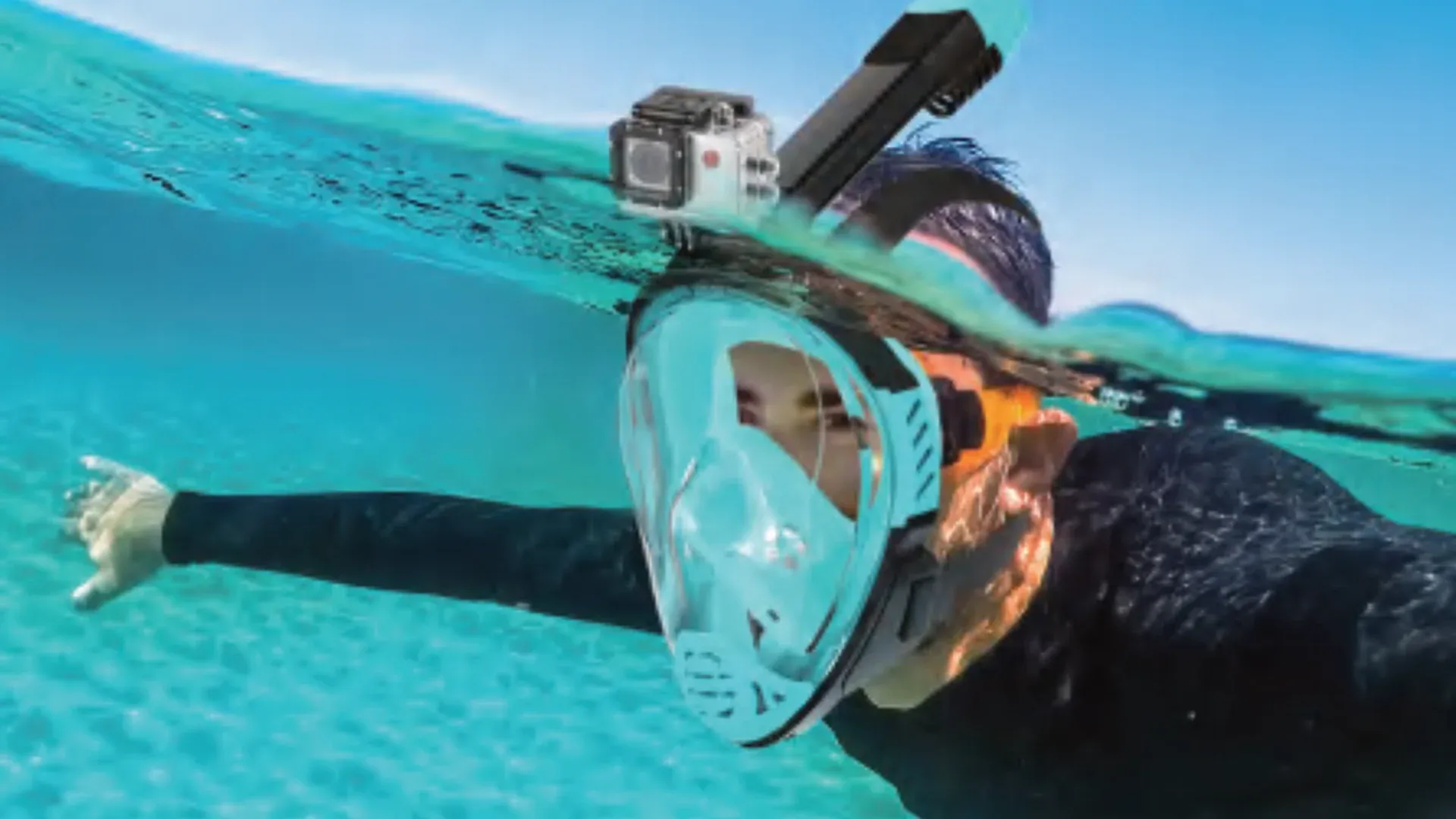
Dive equipment evolves slowly and sensibly - a mask or fin that works is rarely replaced for novelty. But look across the last decade and the direction is clear: lighter materials, better seals, more customization and manufacturing that builds quality in rather than inspecting it in. Here are the trends shaping masks, snorkels and fins today.
Materials keep improving
Silicone quality has advanced more than any other component. High-grade liquid silicone keeps its softness through thousands of uses and repeated chlorinated-pool exposure, holds a seal better as it ages, and tolerates the daily abuse of rental use. Body and frame materials have shifted toward durable engineering polymers and stainless components where loads are highest, while tempered glass remains the standard for lenses.
There is also a sustainability undercurrent: suppliers increasingly offer material documentation and longer warranty cycles, treating gear as multi-season equipment instead of annual consumables.
Fit is becoming personalization
The biggest single driver of first-dive success is fit. Manufacturers now offer wider size ranges - including dedicated kids and junior sizes - and clearer fit guides. Growing lines cover family programs with masks and fins scaled to smaller faces, and full face designs sized through XS, S/M and L/XL so that one product family can equip an entire rental fleet. For buyers, the practical effect is fewer returns and calmer beginner lessons.
Full face masks reach maturity
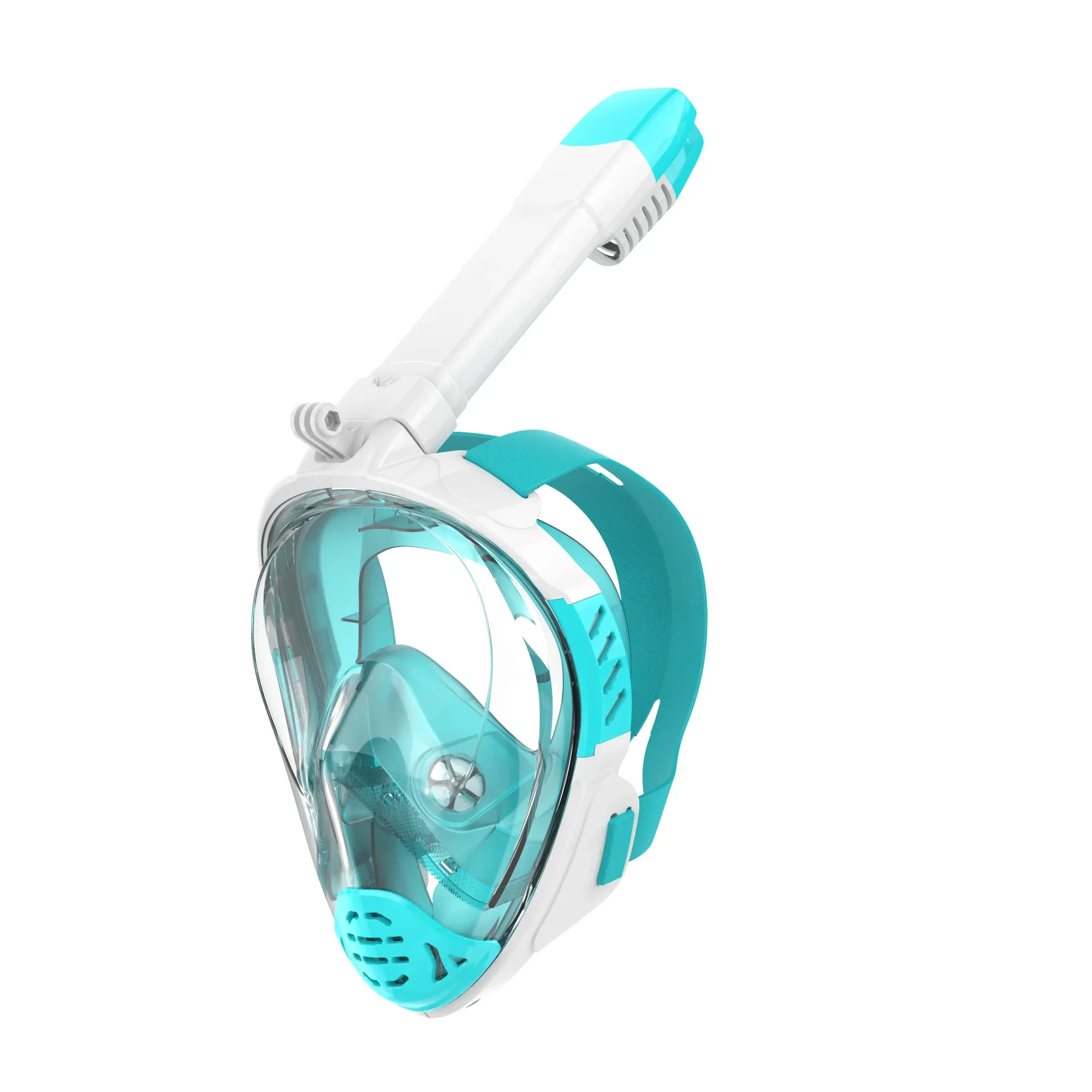
Full face snorkel masks turned a niche idea into a mainstream category by solving an old problem: fear of breathing through a mouthpiece. The latest generation focuses on the details that matter - skirt contact area, field of view, valve reliability and sizes that genuinely fit children as well as adults. Sellers should look at seal quality first, then breathing valves, then aesthetics.
Snorkels and fins: fewer compromises
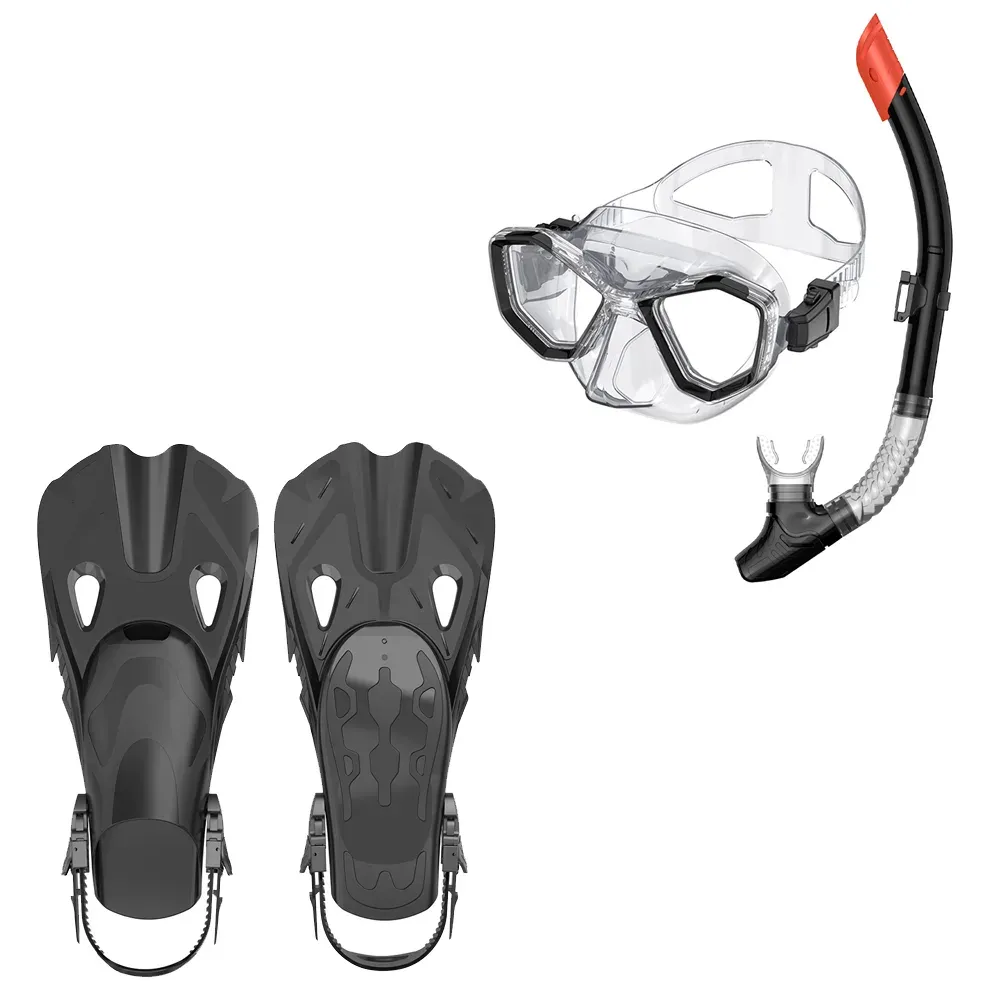
Dry-top snorkels are now smooth-breathing for beginners yet transparent enough for free divers to use happily. On the fin side, the wall between travel fins and stiff-blade fins keeps thinning: split designs, tuned blade stiffness and improved straps mean one pair can cover both a liveaboard and a beach holiday. Open-heel straps are increasingly replaceable, extending the life of the fin without replacing the blade.
What this means for buyers and operators
For shops, rental fleets and importers, the through-line is this: the market rewards gear that survives rental duty and repeated washing, then still looks presentable for retail sale. Whatever the marketing around a product, ask these questions - what is the skirt material, does the strap wear before the blade, and can I refit parts?
ZHONGJIAN is a diving gear manufacturer in Pingxiang, China, producing full face snorkel masks, dive masks, snorkels and fins in food-grade materials, with OEM and ODM programs for retailers and rental operators. Send your requirements to ferrytk898@gmail.com and we will confirm a specification.