Oct 4, 2026Product Knowledge
Baiting and Chumming: A Diver's Guide to Responsible Shark Diving
Baiting and chumming bring sharks close - but raise real questions. How responsible shark dives work and how to choose operators that get it right.
Nothing gets divers arguing like baiting and chumming. For some, it is the reliable way to meet an apex predator. For others, it is interference with wild behavior dressed up as tourism. Both instincts deserve a hearing - and divers who understand the trade-offs choose their trips better, and often see more.
What the practices actually are
Chumming is dispersing fish blood or oily mixtures into the current to attract sharks by scent. Baiting goes further: placing actual food - fish heads, tuna on a line - to bring animals within camera range. Some operations do both; some do neither, relying on natural aggregation sites where sharks gather without any food involved.
The case for caution
The concerns are consistent across research and dive communities. Feeding alters behavior: sharks can associate boats and divers with food, which increases risk both for animals and people, and can pull sharks away from natural hunting areas. Repeated baiting at fixed sites can concentrate sharks unnaturally and disrupt the local ecosystem. And the operators who bait the heaviest are not always the ones who brief guests best.
Where the line is drawn
Many destinations and dive federations regulate baiting tightly; some ban it outright. Responsible operators who do feed generally follow strict protocols - minimal quantities, no hand-feeding, no bait in diver airspace, licensed guides and site rotations. The best encounters, meanwhile, keep happening without any bait: cleaning stations, natural aggregation seasons, drift encounters that footage never warns you about. Those dives respect the animal and produce better behavior shots anyway.
If a shark only comes because of what you are carrying, it is an appointment, not an encounter.
Choosing an operator
Ask direct questions before booking: do you chum or bait, how much, and how do you keep it ethical? Good operators answer specifically and visibly follow their own rules. Watch the briefing - is there a plan for approaching, spacing and exiting? How do guides behave when a shark arrives unexpectedly? Those answers matter more than the marketing promise of guaranteed sightings.
Diving a managed feed responsibly
If you do join a baited dive, follow the briefing exactly: stay low, keep your hands in, no flash bursts into a shark's line of sight, and exit the water when the feed ends rather than lingering. Your gear should be quiet and clipped - dangling accessories are never welcome around feeding animals.
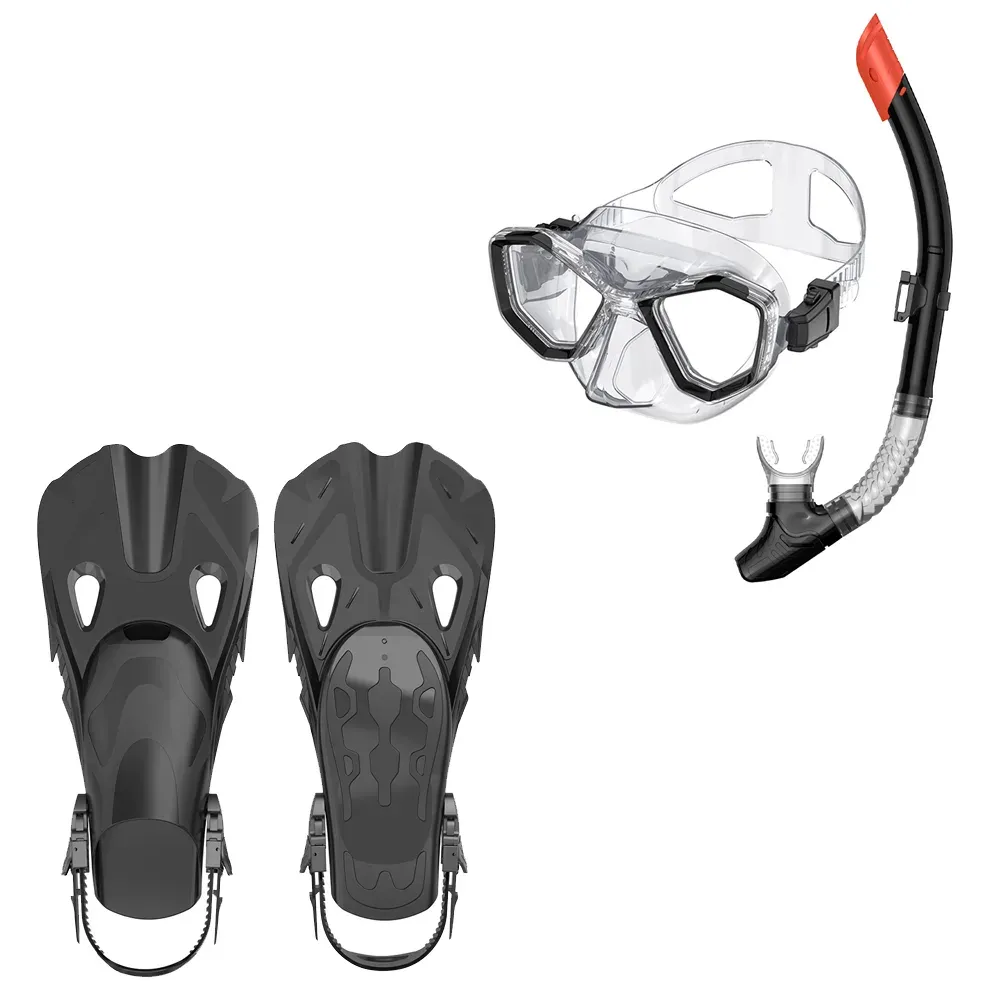
ZHONGJIAN manufactures dive masks, snorkels and fins for professional shark programs and rental fleets. Operator inquiries: ferrytk898@gmail.com.