Oct 4, 2026Product Knowledge
Nudibranch Spotting: The Art of the Ocean's Jewels
Over 3,000 nudibranch species live in the world's oceans. Learn where to look, how to approach, and the macro gear that makes them photogenic.
Nudibranchs are sea slugs, which undersells them badly. Over 3,000 species wear colors that look designed rather than evolved - neon greens, warning reds, blue so electric it seems borrowed from a coral. Divers call them 'jewels of the ocean', and photographing them is a genre in itself. Finding them is a skill; seeing them well is a discipline.
What you are actually looking for
Nudibranchs are small - most between one and five centimeters - and lack a shell, which is why many carry chemical defenses instead. Some recycle stinging cells from the jellyfish and hydroids they eat; a few, famously, are solar-powered, farming algae in the body wall. Their color is typically a warning: you cannot hide a nudibranch, so it advertises.
Where to look
The Indo-Pacific is the heartland - the Philippines, Indonesia, Maldives, Palau, Australia and French Polynesia generate the classic sightings, from the Spanish dancer to Hopkins's rose and Shawn-the-Sheep leaf slugs. Look on the food, not near it: nudibranchs move slowly, so the colony of hydroid or sponge they graze is where you camp your eyes. Also scan the undersides and crevices of rubble, reef wall algae and the bases of sea fans.
The best nudibranch divers work the same site repeatedly, walking a slow grid over the same square meters and finding new animals on dive ten. Patience is genuinely the technique.
Approaching without spooking
They cannot flee, but they can retract, and a retracted nudibranch is a photograph of nothing. Hover, do not kneel; shield your light; keep your fins off the bottom near the site - the silt cloud ruins the sighting for everyone. Photographers should consider shooting with a focus light and positioning side-on: nudibranchs are thin animals, and the classic image is a 45-degree profile.
Gear that gets you there
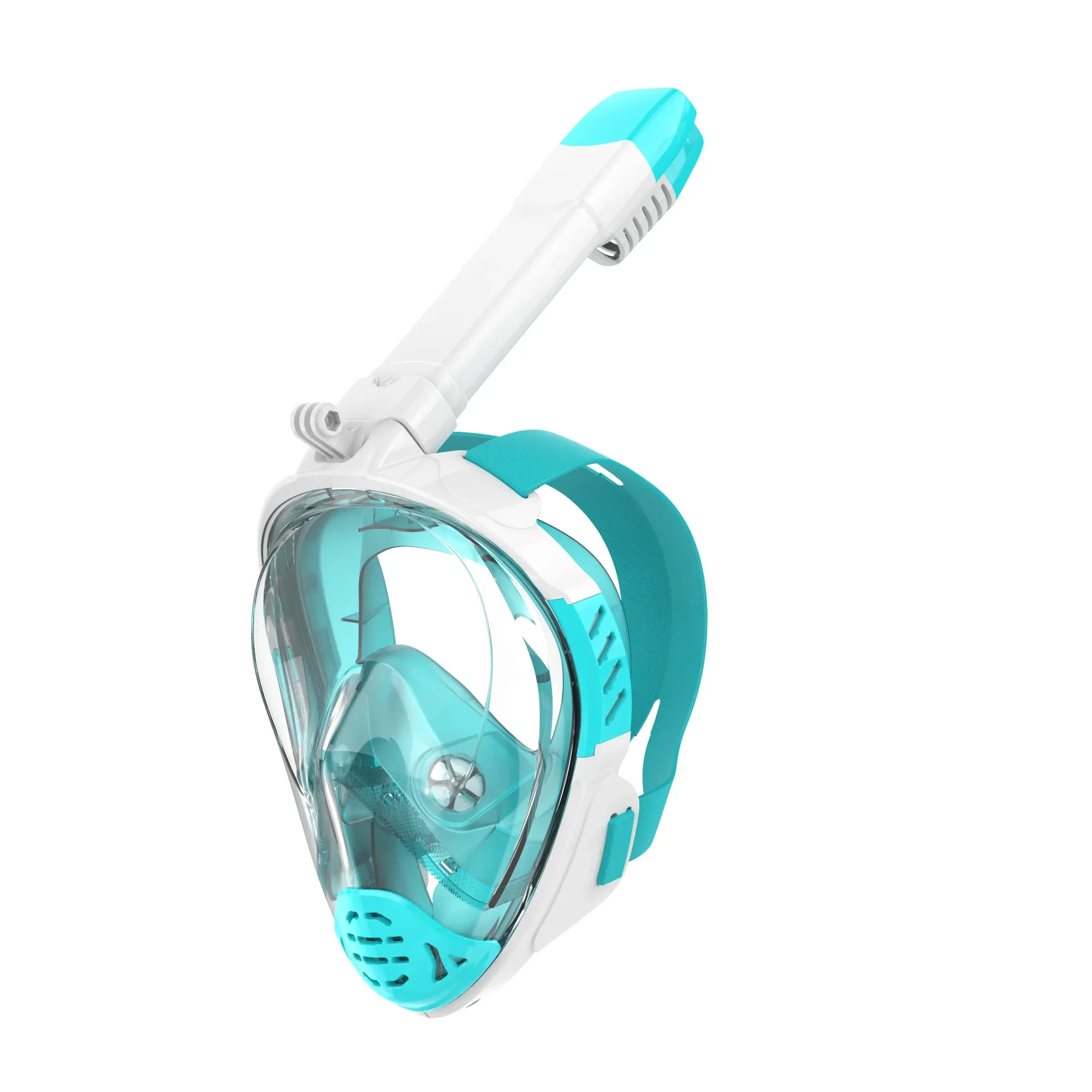
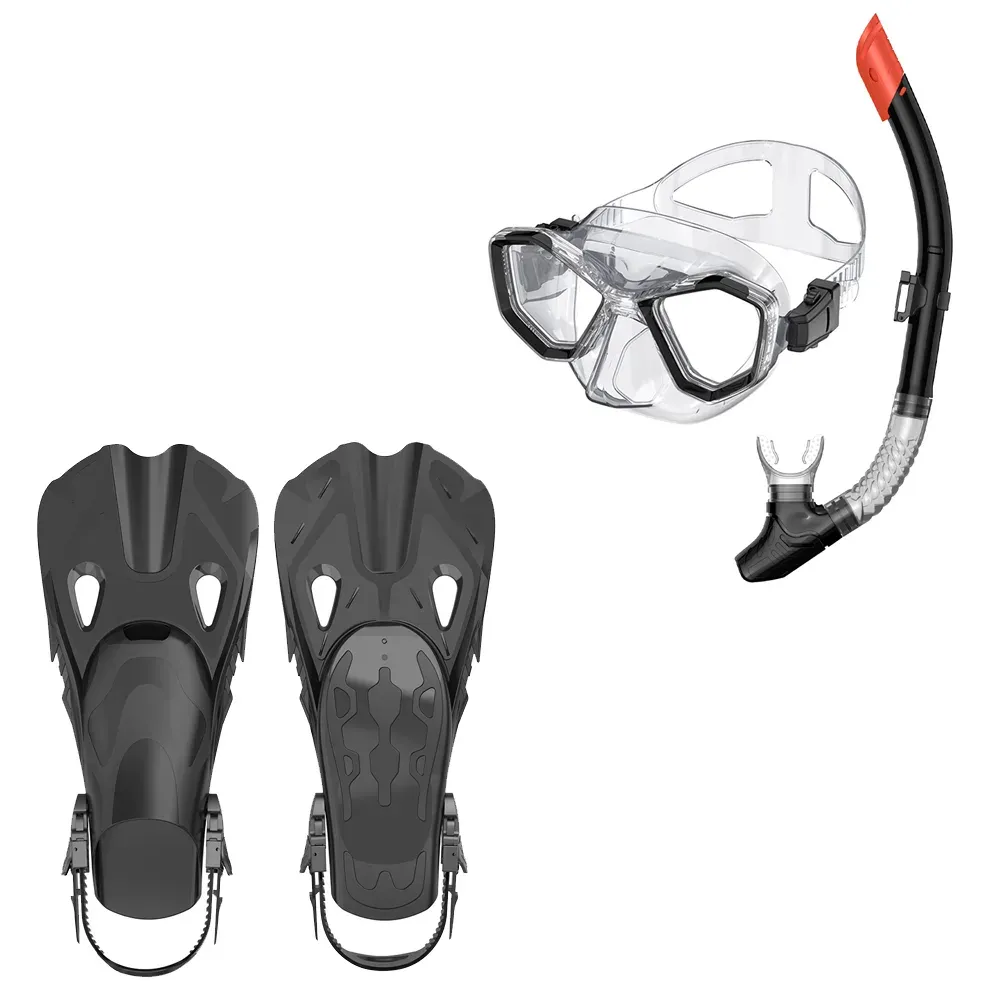
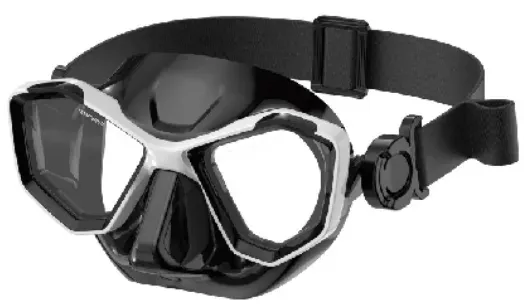
Macro sessions are hover marathons: precise, soft fins and a low-volume mask with a crisp view are the working kit. A snorkel stays on the boat. If you shoot, a small torch improves color underwater, and a retention strap on your mask is worth having once you are upside down against a reef wall at three meters.
ZHONGJIAN manufactures low-volume masks and precision fins for macro and muck diving, plus a full range of snorkels for surface searching. Dive shops can request specifications at ferrytk898@gmail.com.