Oct 4, 2026Product Knowledge
How to Spot Rare Marine Species: Tips for Divers and Snorkelers
Spotting rare marine species takes technique, patience and the right equipment. Learn how to find and approach shy and camouflaged animals responsibly.

Every diver has a mental list of animals they would give a week of dives to see: a mandarin fish emerging at dusk, a blue-ringed octopus half-hidden in rubble, a seahorse the color of the exact coral it holds. Rare species are not just uncommon - they are often shy, camouflaged, tiny or nocturnal, which makes finding them a skill as much as a stroke of luck.
Learn where an animal lives, not just which island
Generic dive guides mention a species and a country. Useful information goes one level deeper: the specific microhabitat. Mandarin fish live in sheltered reef crevices and emerge briefly at dusk. Many rare crustaceans and octopus stay inside rubble or sponge at all hours. Frogfish and ghost pipefish take camouflage shape among seagrass, crinoids and black coral. The search image in your mind should be the habitat - scan the habitat and the animal appears.
Go slow, stay low, keep your hands still
Rare encounters come to divers who move like part of the reef. Slow finning an arm's length above the bottom, minimal arm movement, and breathing that does not sound like a truck - all apply. A hunter's instinct to reach toward an animal ends the encounter; a camera or a hand moving over the top of a crevice reads as a predator. Approach from the side at their level, not from above.
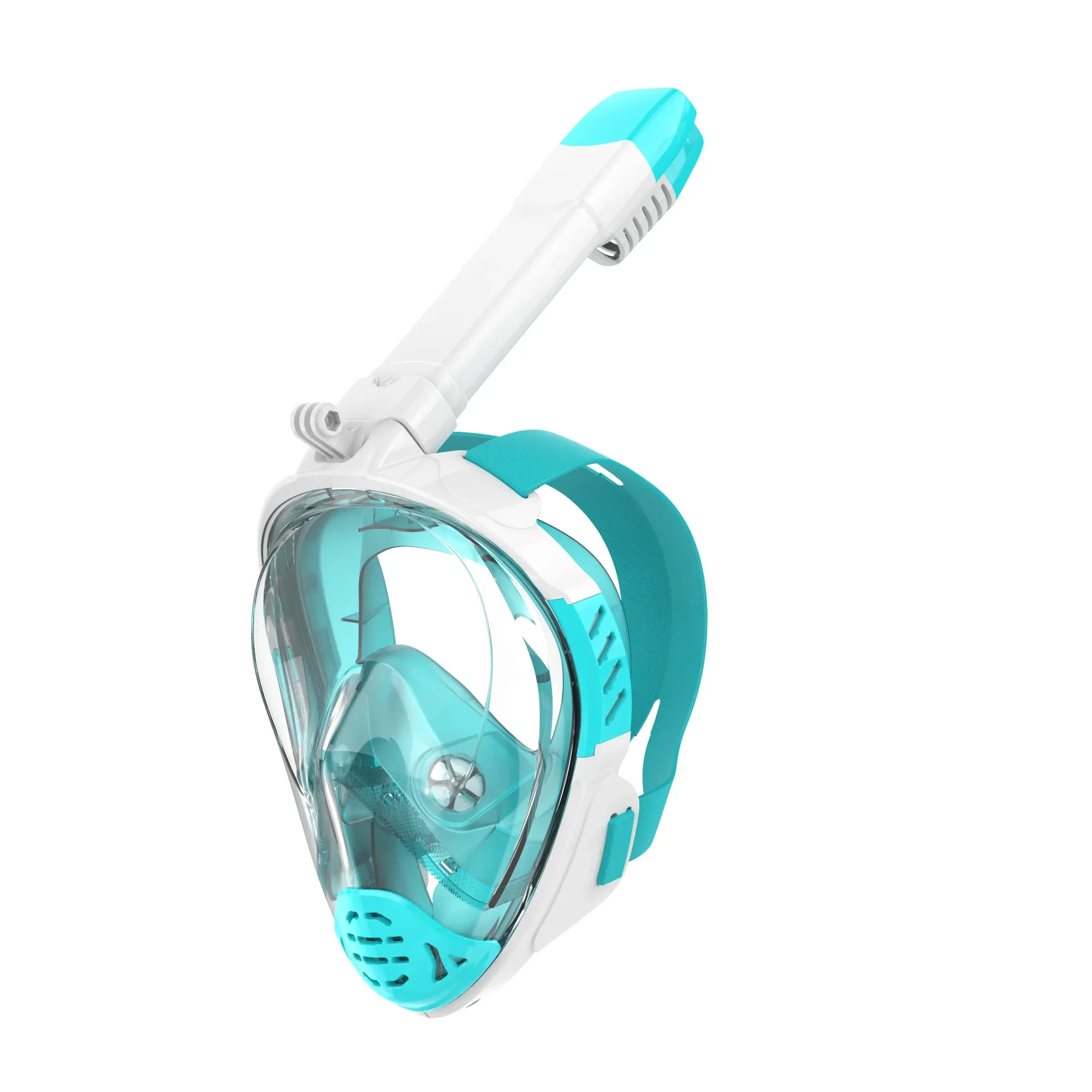
Snorkelers have an advantage in the shallows: no bubbles, no regulator noise, total freedom of movement. A well-sealed mask and a dry-top snorkel that lets you swim quietly on the surface for an hour are the whole toolkit for reef-flat exploration.
Gear tuned for finding the small things
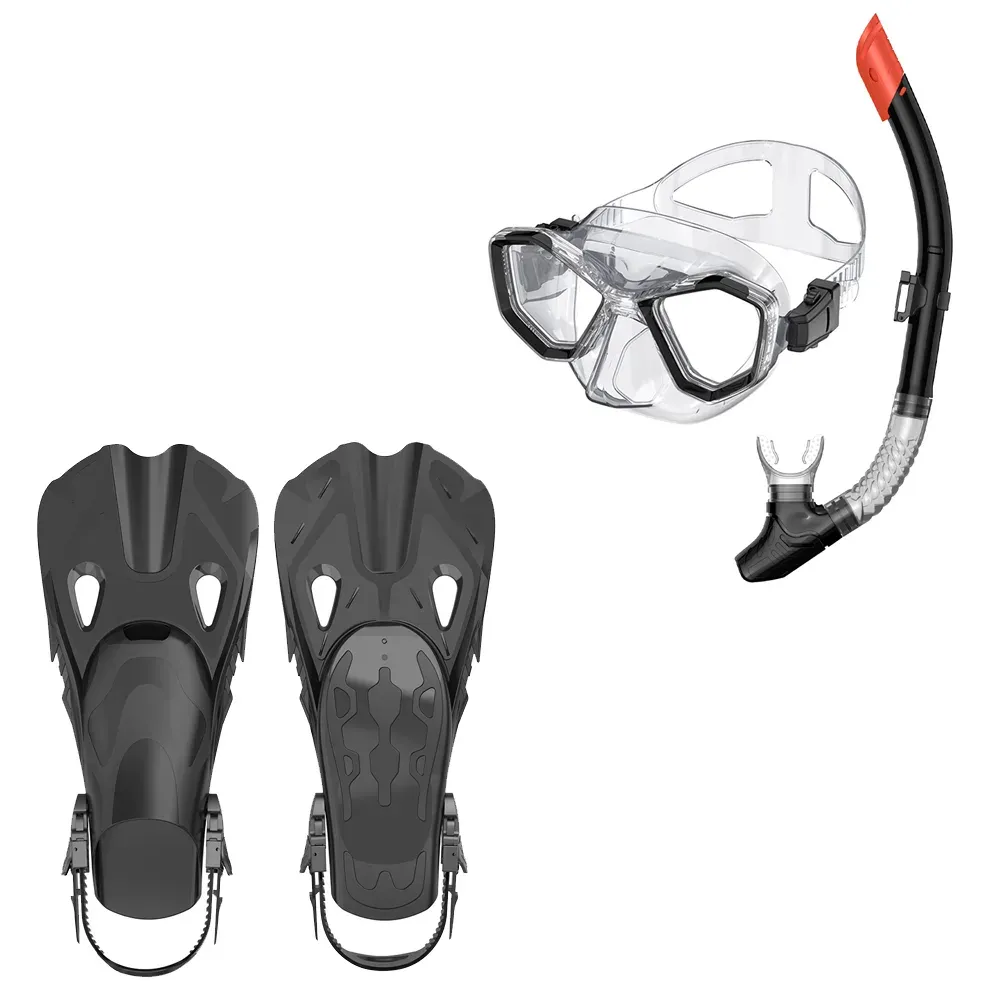
The gear that helps is not complicated. A low-volume mask with a sharp, wide view lets you hold still and search without head movement; the closer the lenses to your eyes, the more of the reef fits in view. Hover control starts with fins: soft, precise blades let you adjust position without kicking up sand. A small torch transforms any daytime crevice hunt after dark and is standard on night dives.
Respect the rare
The best rare-species divers leave everything as found: nothing touched, nothing chased, nothing re-placed for a better photo. If an animal retreats, that was the sighting - you found it, and the reef keeps its territory. Some of the most experienced guides photograph nothing on first encounters and simply watch, which is why animals behave differently around them.
ZHONGJIAN manufactures low-volume dive masks, precise fins and easy-breathing snorkels - the quiet, controllable gear that makes patient observation possible. Shops and fleet operators can request specifications at ferrytk898@gmail.com.