Oct 4, 2026Product Knowledge
Pelagic vs Macro Diving: Choosing the Right Gear for Each
Big animals in blue water or tiny critters on the reef? See how pelagic and macro diving differ, and the masks, fins and technique each one calls for.
Ask divers what they dive for and the answers split into two tribes. Pelagic divers chase the open ocean: sharks, rays, whales and other wanderers of the blue. Macro divers work the reef inch by inch, hunting nudibranchs, cuttlefish and camouflaged critters the size of a fingernail. Both are addictive, and both ask different things of your equipment.
Pelagic diving: blue water, big animals
Pelagic diving happens in open water, often far from the reef and the seabed. You are typically drifting or holding position in current, watching a vast blue for the first dark shape to materialize. The challenges are endurance, current and patience: swim against moving water for long stretches, keep a low profile, and stay ready for a sighting that lasts seconds.
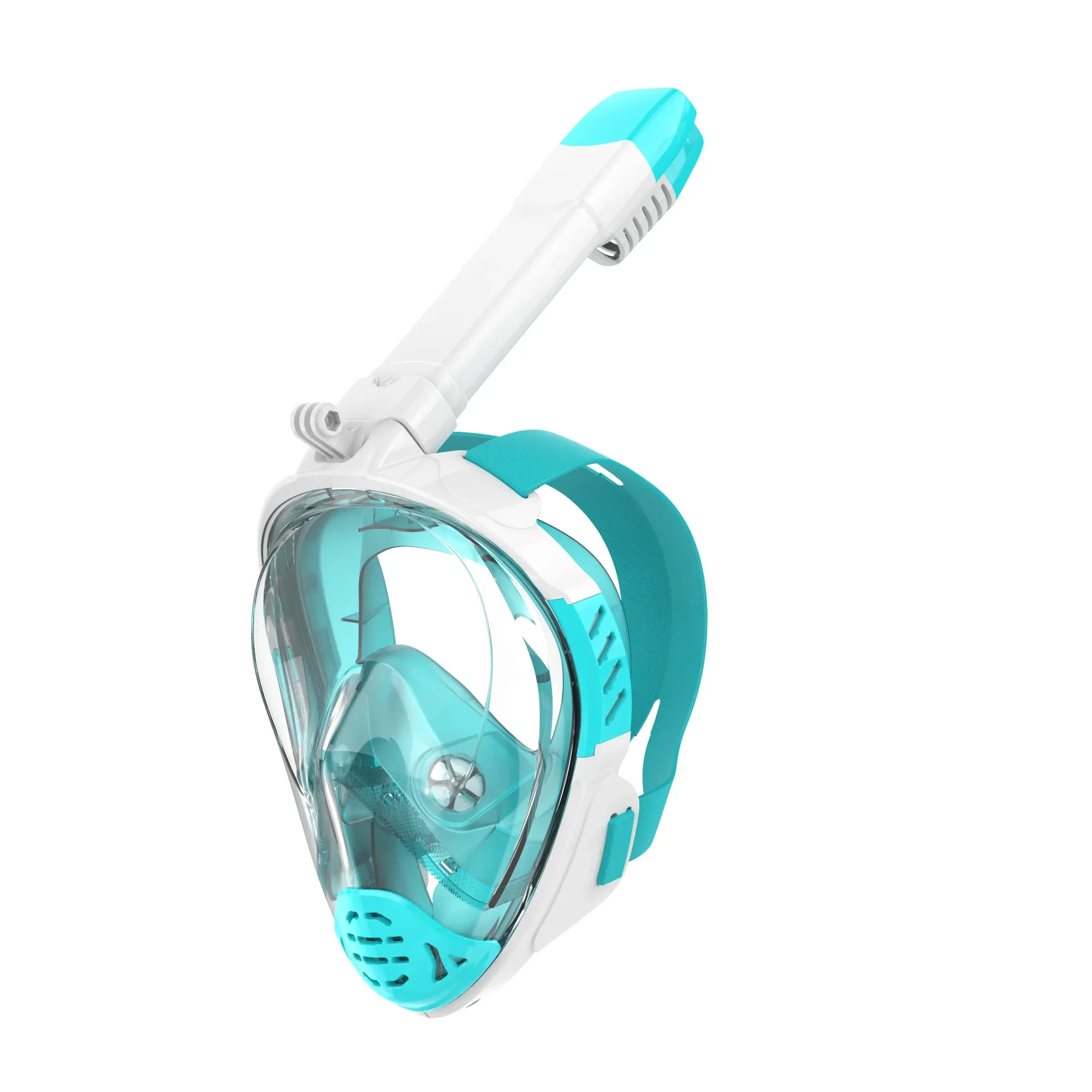
The gear leans toward efficiency: responsive fins that work in current without exhausting your legs, a mask with a wide field of view so you never turn away from the blue, and a snorkel that clears easily if you finish the dive on the surface. Many pelagic dives are done as driftsat 15-30 meters, so gear that stays streamlined matters more than luxury features.
Macro diving: slow, precise, close
Macro diving is the opposite discipline. You hover centimeters above the sand or reef, moving as little as possible. The animals are small, shy and often perfectly camouflaged, so the entire sport is built on stillness and observation. Divers who excel at macro can spend twenty minutes breathing quietly on one square meter of muck.
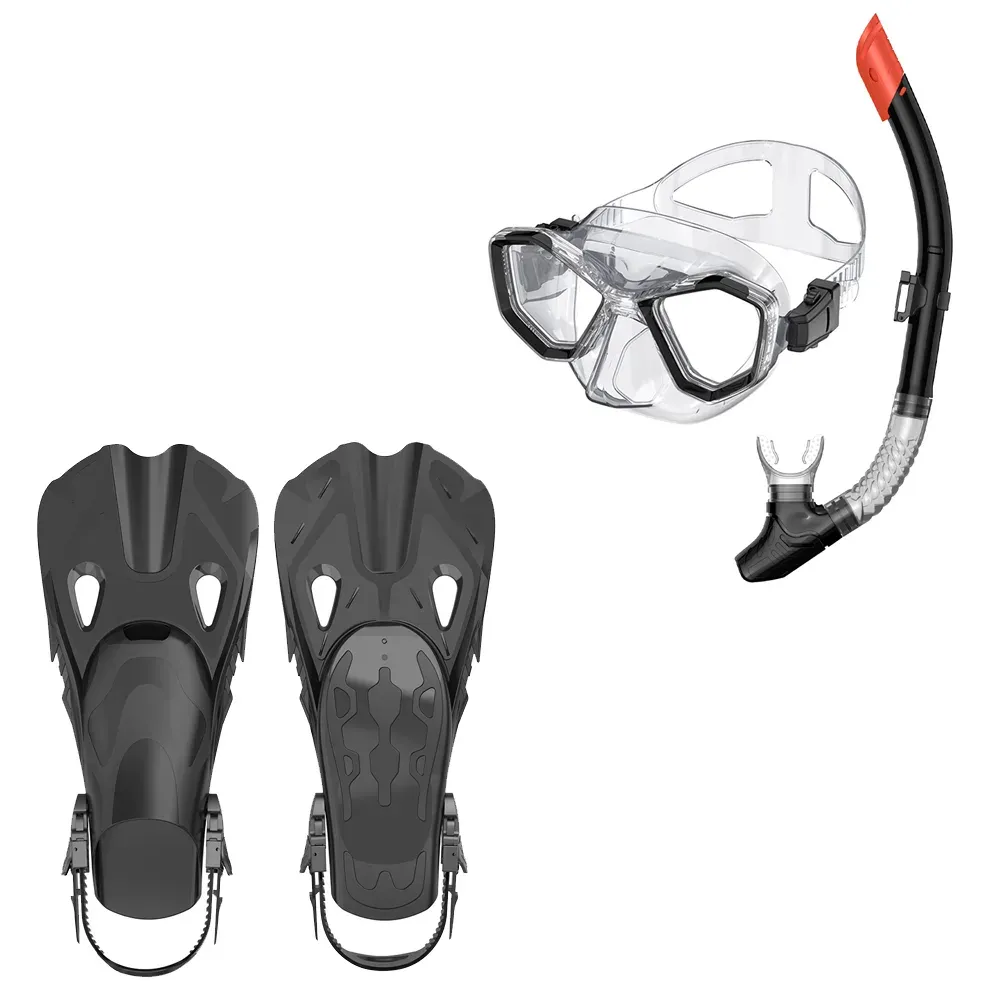
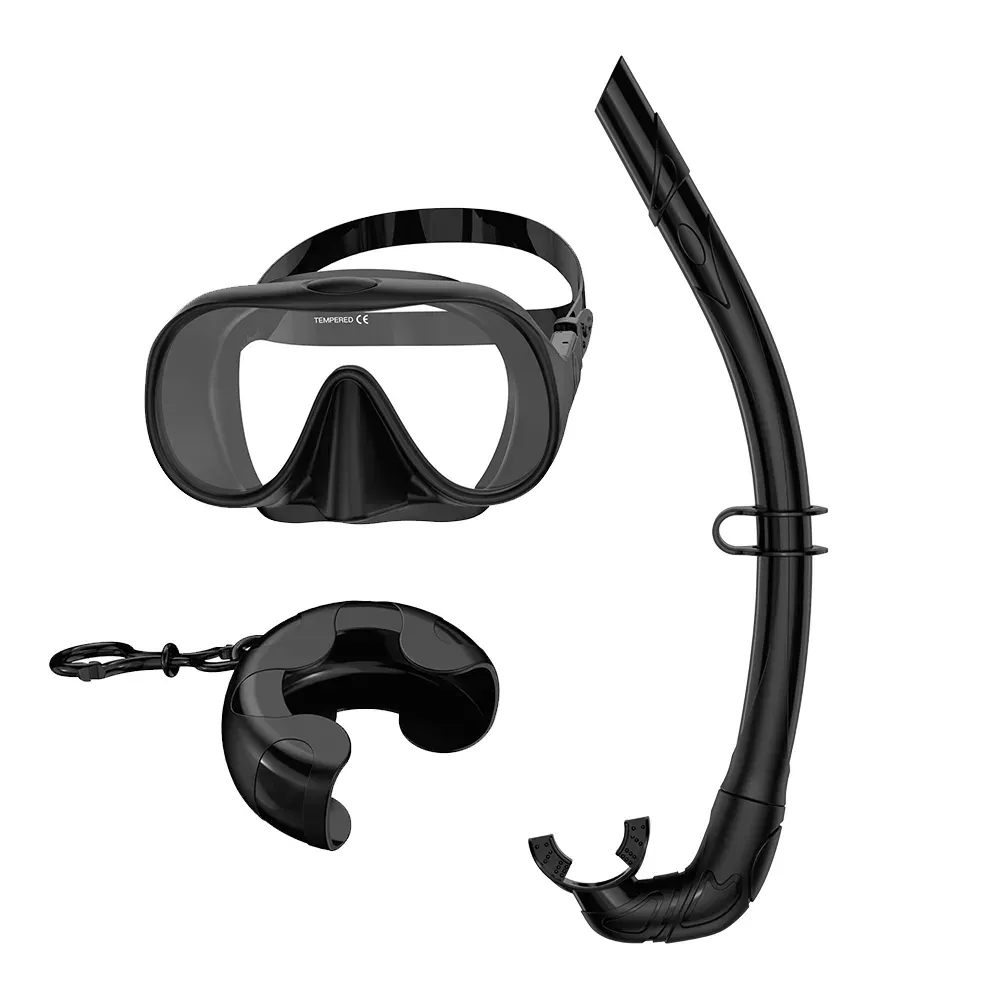
The gear here rewards precision. A low-volume mask sits closer to the face and offers a sharper view with less dead space to clear; some macro shooters prefer compact masks built for use with cameras. Buoyancy control is everything - a fin blade that moves too much water will scatter the very subject you are watching. Soft, precise fins and a well-fitted mask do more for macro diving than any accessory.
Pelagic divers buy fins for power and masks for field of view. Macro divers buy fins for control and masks for detail. That's the whole difference in one sentence.
Technique differences worth packing for
In blue water, look away from the void sometimes - pelagic sightings often appear at the edge of visibility, not dead center. Duck-dive practice pays off when a big animal passes close to the surface. On the reef, master hovering: eyes down, hands still, fins motionless, letting the current do the small work.
Suiting both worlds
Many divers end up with two masks: one wide-angle for the blue, one compact for the muck - and this is where a sensible two-mask setup beats a single do-it-all compromise. Fins are easier to share: a travel pair with tuned stiffness handles drifts and hover work well enough to pack for both.
ZHONGJIAN manufactures dive masks in multiple volumes and fits, and fins tuned for both travel and power applications - the practical range for divers who do both. Shops, fleets and importers can send requirements to ferrytk898@gmail.com for a specification and quotation.