Oct 4, 2026Diving Destinations
Marine Protected Areas: Why They Matter and Where to Dive
Marine protected areas protect reefs, rebuild fish stocks and offer some of the world's best diving. See what they are and the top MPAs to visit.
Some dive destinations feel different the moment you enter the water: denser schools, larger animals, healthier coral, and fish that barely move as you pass. More often than not, the site is a marine protected area - a stretch of ocean where fishing and extraction are limited or banned. MPAs are the most effective tool conservation has for rebuilding ocean life, and divers are among their biggest beneficiaries.
What a marine protected area actually is
A marine protected area is a defined zone with rules that limit human activity - from fully no-take reserves to areas where only certain methods or seasons are allowed. Inside well-run MPAs, ecosystems recover measurably: fish grow older and larger, spawn more, and repopulate surrounding waters. The result for divers is exactly what they travel for: abundant, calm and curious marine life.
The world's landmark MPAs
The Galápagos Marine Reserve is the benchmark - a meeting point of warm and cold currents that supports whale sharks, hammerheads and species found nowhere else. Raja Ampat, in Indonesia, sits at the center of the Coral Triangle and carries the highest coral diversity on Earth. Palau pioneered strict protection decades ago and pairs it with WWII wrecks and rich reefs. Costa Rica's Cocos Island, reached by liveaboard, is open-ocean diving at its rawest, while the Maldives and Fiji have woven protection into national dive economies, and Bonaire has guarded its reef through decades of dive tourism.
Why visiting matters
Protected areas survive on support. Dive tourism gives reefs an economic value that outweighs fishing pressure, funds ranger programs and patrols, and keeps local communities engaged in enforcement. Every diver who pays a marine park fee, follows the rules, and prefers compliant operators is voting for protection with their wallet.
Diving an MPA responsibly
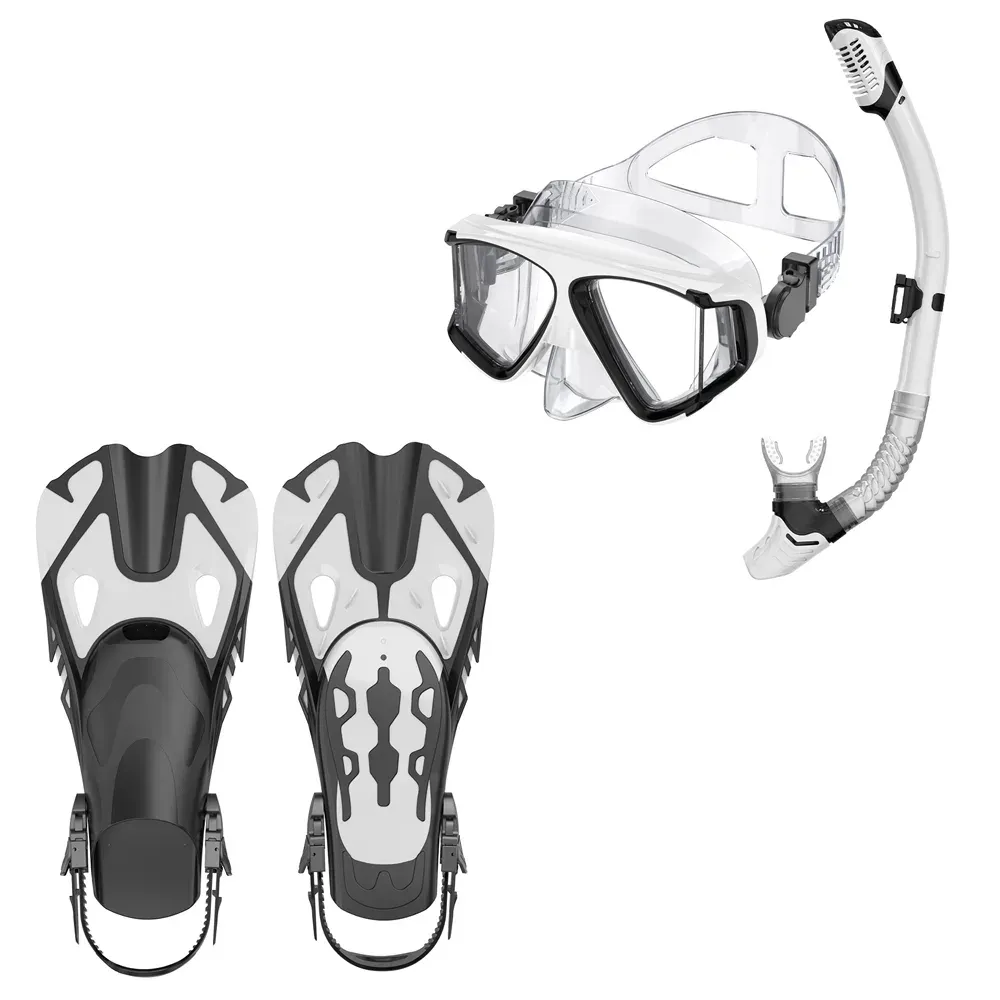
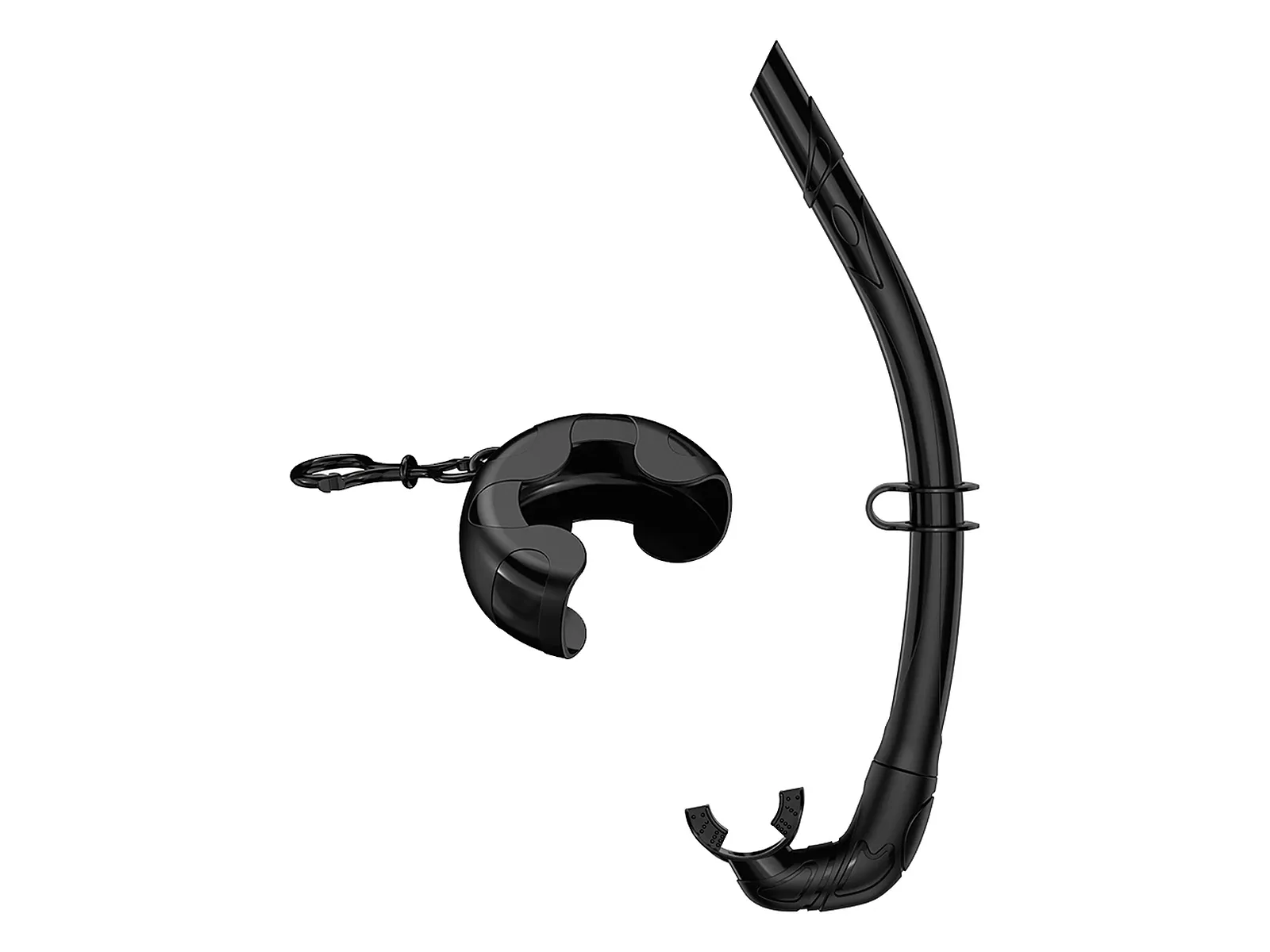
The rules are simple: buoyancy above everything, no touching, no chasing, no collecting - shells and rubble included. Stay off the coral, keep a regulator in your mouth if you are at the surface near a boat lane, and respect sanctuary zones where diving itself is limited. The gear mindset is minimal contact: a well-fitted mask you never adjust, a snorkel that does not drag, fins used with control rather than force, and nothing dangling to scrape the reef.
Protection creates abundance; abundance creates the dive of your life. The order matters.
Choosing a trip that gives back
When booking, ask what portion of your fee goes to conservation and whether the operator contributes to local patrols or reef monitoring. Many MPAs also run citizen-science programs where visiting divers record species sightings - an hour of your trip can fund a year of data.
ZHONGJIAN manufactures diving masks, snorkels and fins with the control and reliability that responsible diving demands, and supports conservation-focused dive programs worldwide. Send your requirements to ferrytk898@gmail.com for specifications and quotations.