Oct 4, 2026Product Knowledge
Mantis Shrimp: The Macro Diver's Guide
Mantis shrimp punch like a bullet and see colors we cannot. Learn how to find them, watch safely, and shoot them well.
A mantis shrimp is not a shrimp and not a mantis - it is a stomatopod, a line of marine crustaceans with arguably the most over-engineered toolkit in the ocean. Its arms accelerate like a bullet, its eyes are the most complex known in the animal kingdom, and its colors could be mistaken for a tropical bird's. For macro divers, it is the crown jewel of a muck site.
The punch and the spear
Stomatopods split into two guilds. Smashers carry club-like front appendages they fire at snails and crabs with acceleration rivalling a bullet; spearers use barbed arms to impale softer prey. Either way, the strike happens faster than the eye can follow - when you see the flash and hear the click from a few meters away, that is a smasher miss, and your mask is not on its agenda.
Eyes that shame a camera
A mantis shrimp's eyes sit on mobile stalks, each able to look in a different direction, each with trinocular zones that give depth perception with one eye. They detect polarized light and an extended color range beyond human vision. The practical upshot for divers: a mantis shrimp often watches you before you know it exists.
Finding one
Look for burrows. Mantis shrimp occupy tunnels in rubble and sand - a hole with antennae or eyes peering out, or a pile of shell fragments around the entrance, is a strong clue. Muck diving destinations like Lembeh, Anilao and Mabul are the heartland. Move slowly a meter above the bottom, scan the rubble line, and let the animal come to the entrance rather than digging.
Shooting them well
The shot every photographer wants - eyes emerging from a burrow - requires patience and a big depth of field; pre-focus on the hole and wait. Never poke a burrow: stressed animals retreat and nearby divers lose the sighting. Give the animal an escape lane, back off when it retreats, and never place your fingers near a known smasher - a punch can break camera glass and fingers alike.
Gear for stomatopod hunting
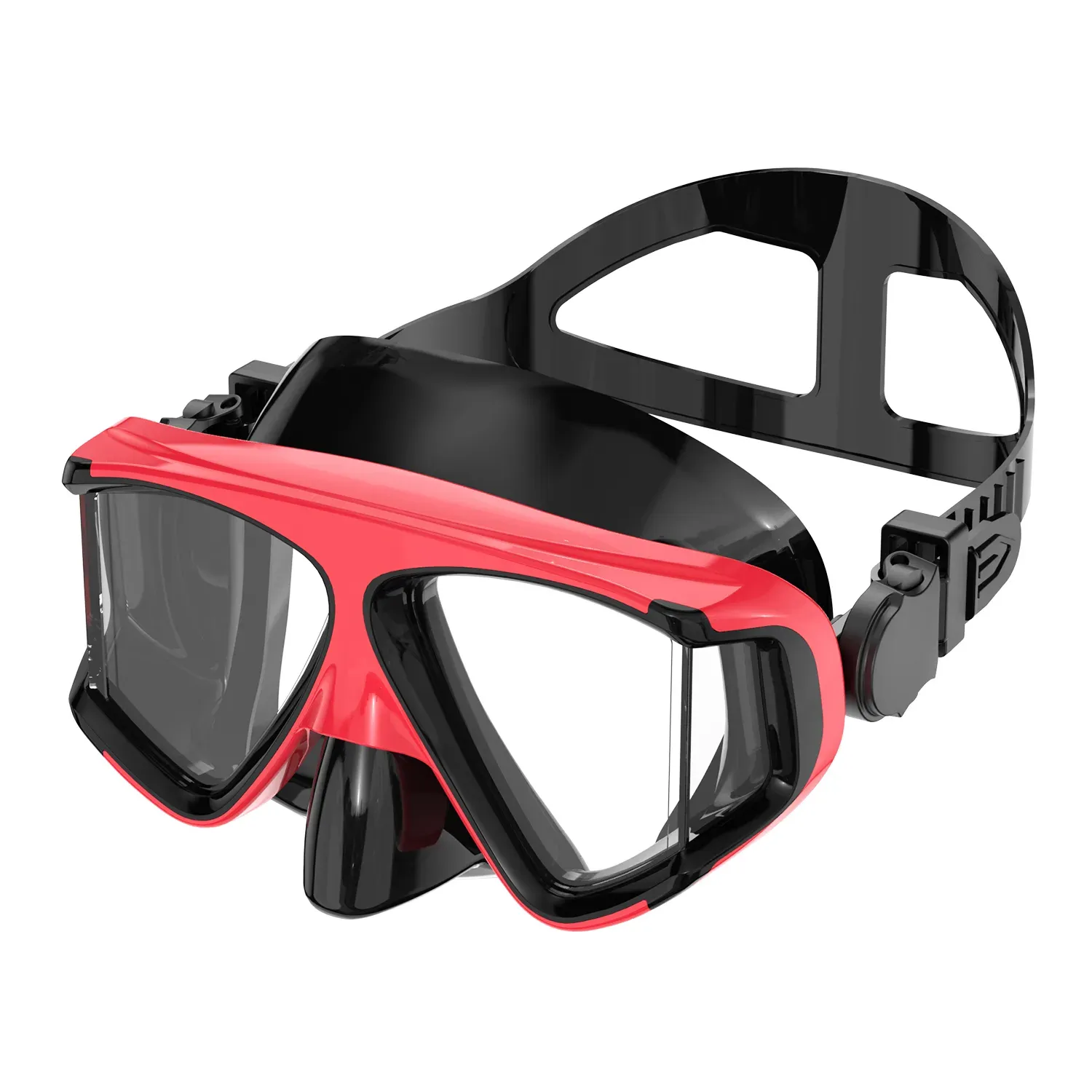
Macro is a stillness sport. A low-volume mask keeps eyes close to the frame with a crisp view and no movement to spook the subject; soft, precise fins let you hover motionless above rubble. A torch is useful even by day for peering into burrows, and a focus light beats a flashburst for keeping a resident calm.
ZHONGJIAN manufactures low-volume dive masks, snorkels and hover-friendly fins for macro divers and muck guides. Send your operation's requirements to ferrytk898@gmail.com.