Oct 4, 2026Buying Guides
Liveaboard Diving Guide: How to Pack and Prepare Your Gear
Plan a liveaboard dive trip with confidence: what to pack, how to prepare masks, snorkels and fins, and how to care for gear at sea.

Liveaboard diving - also called dive safaris or dive charters - puts you on a boat for the duration of your trip: you dive, eat, sleep and repeat, often several times a day for a week. It is the most efficient way to reach remote reefs, seamounts and wall dives that day boats cannot touch. It also puts your personal gear under constant load, which makes preparation before you board as important as the itinerary itself.
This guide covers what to pack, how to prepare your mask, snorkel and fins, and how to keep everything working across a week of back-to-back dives.
Why liveaboard diving is different
On a normal dive holiday, gear gets a day or two of rest between outings. On a liveaboard, your mask, snorkel, fins and accessories are used two to five times a day, often from small tenders or directly off the stern. Salt never fully dries, deck space is limited and spares are impossible to buy mid-ocean. Reliable gear, sensibly packed, is what turns a demanding schedule into a comfortable one.
Prepare your mask before you travel
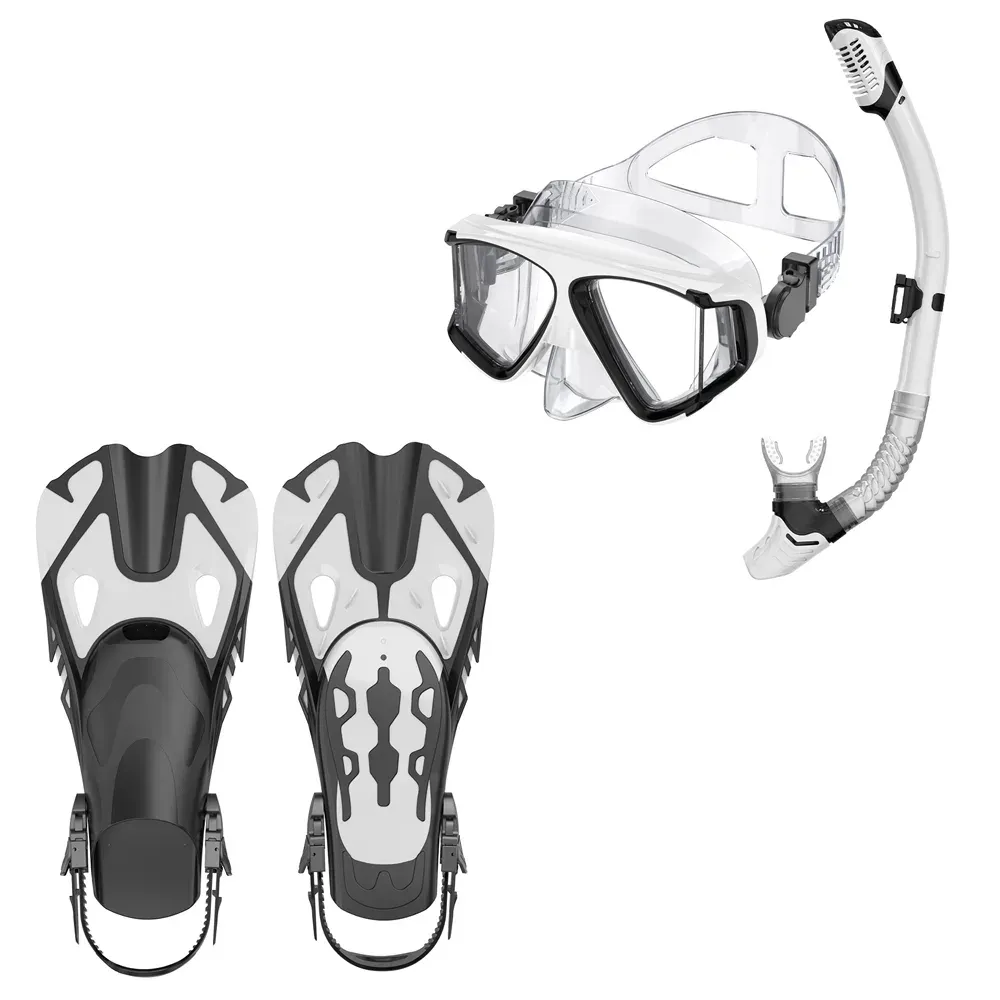
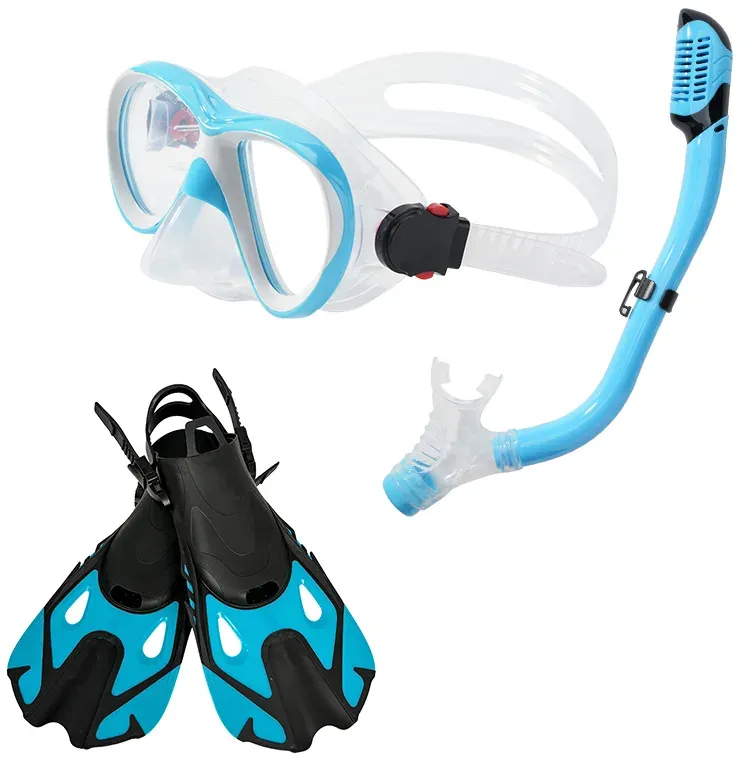
A good dive mask should be tested before any trip. Fit matters more than features: place the mask on your face without the strap and inhale gently through your nose - if it seals and stays put, the fit is right. Check that the skirt - liquid silicone is the softest and most durable option - sits flat with no pressure points around the nose or temples.
Pack a hard mask case. Masks are the most commonly damaged item in checked luggage, and a cracked frame or scratched lens cannot be fixed at sea. If you wear prescription lenses, travel with a spare or confirm your mask takes a prescription insert before departure.
Snorkels: dry-top or classic?
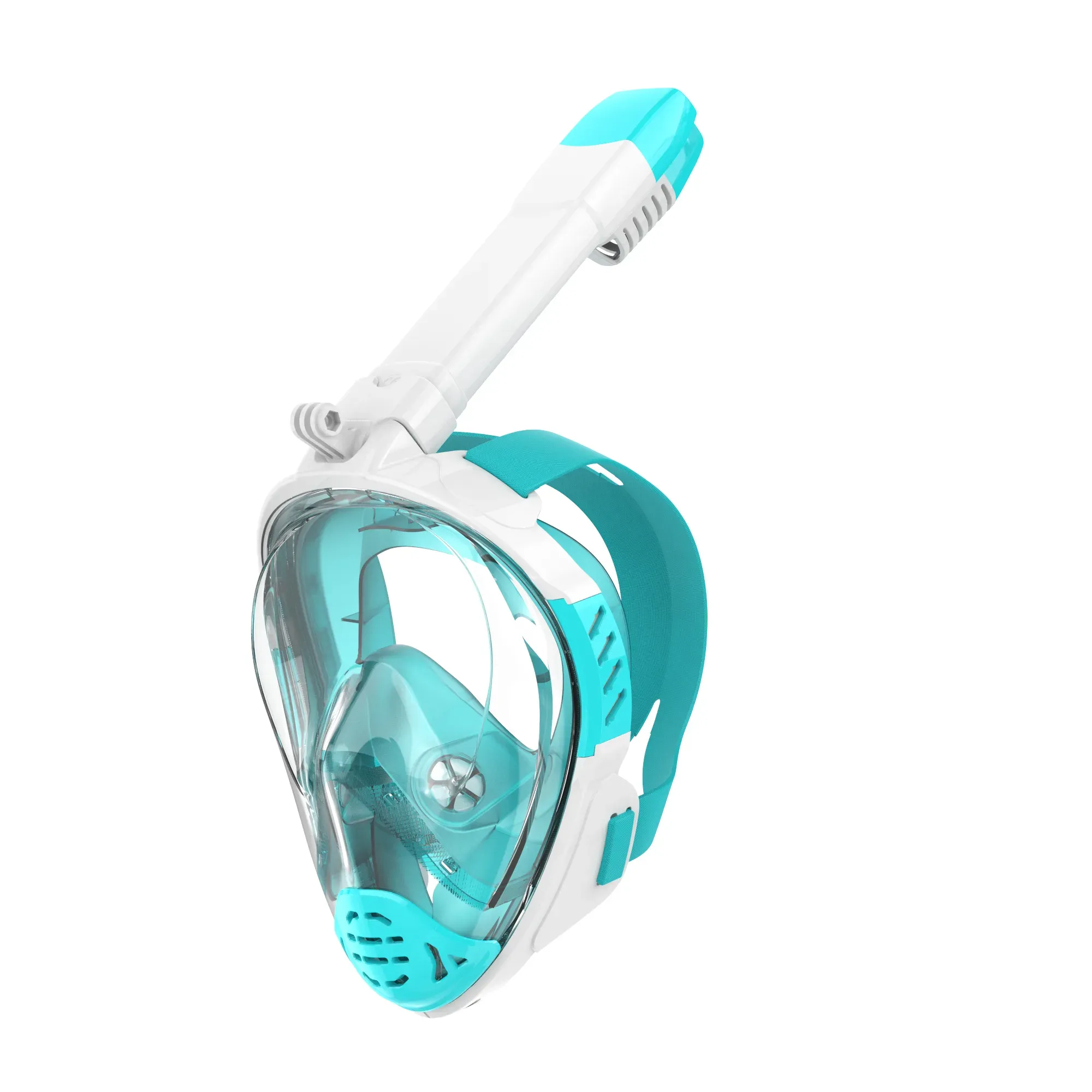
A dry-top snorkel with a splash guard reduces water entry on the surface and is the easier choice for surface intervals and snorkeling stops between dives. Check the mouthpiece - silicone is comfortable for long use - and confirm the clip fits your mask strap before you pack the snorkel away. A snorkel that rattles or twists on the strap is a distraction you only need to fix once, at home.
Fins: travel vs full-foot vs open-heel
For liveaboards, travel fins that are short and light are the practical default: they pack flat, work well for both diving and snorkeling, and are easy to manage on a crowded deck. Full-foot fins offer more propulsion for strong currents; open-heel fins with boots suit colder itineraries. Whichever you take, pack a fin strap spare if your fins use replaceable straps - the sea floor is full of lost hardware.
The rest of the packing list
Beyond the essentials, experienced liveaboard divers pack: a mesh bag for rinsing gear, a small dry bag for the tender, anti-fog solution, a spare mask strap, cable ties and a basic save-a-dive kit (o-rings, silicone grease, a small tool). Layers matter too - a rash vest for warm itineraries, a shorty or full wetsuit for the shoulder seasons, and a windproof shell for night crossings.
On a liveaboard, a spare mask strap takes up less space than a phone charger - and saves more dives.
Caring for gear at sea
Rinse every piece in fresh water after the last dive of the day and dry it out of direct sun; UV is harder on silicone and rubber than salt. Rotate your mask between a dry case and open air so the skirt never stays compressed. Check your fins weekly for cracks at the blade root and foot pocket, especially in cold conditions where plastic stiffens.
Buying gear for a liveaboard itinerary? ZHONGJIAN manufactures diving masks, snorkels and fins in food-grade silicone and durable polymers, and supplies dive operators, rental fleets and OEM programs worldwide. Send your requirements to ferrytk898@gmail.com and we will help you specify the right equipment.