Oct 4, 2026Product Knowledge
Great White Sharks: What Divers Should Really Know
Great whites are famous, feared and misunderstood. Here is the real story - adaptations, behavior, and how divers meet them ethically.

Few animals carry as much baggage as the great white shark. A 1975 film turned it into a monster; decades of research have done the opposite, revealing a calculating predator with extraordinary adaptations and no interest in humans as food. For divers, the species is now a bucket-list encounter at a handful of well-run sites - and a lesson in the gap between reputation and reality.
Built for the hunt
Everything about a great white is tuned for detecting and surprising prey. Nervous system sensors in its snout read the electric fields of muscles; a lateral line feels water movement; its ears work, the inner ear an alien geometry. Countershading - dark above, white below - hides it from fish both above and below while it climbs. And when it strikes, a great white can launch its entire body clear of the surface.
Why 'man-eater' is wrong
White shark attacks on humans are rare, and investigation of bites often finds the same pattern: a single exploratory bite, then departure. Surfers and swimmers in hunting grounds sit in the water column looking like seals from below - the mistake runs one direction. White sharks feed on seals, fish and cetacean carcasses; humans are not a food source.
Where divers see them
Cage diving at dedicated sites - the Neptune Islands in South Australia, Guadalupe-style operations in Mexico's range, and South Africa's winter season - remains the standard way to meet one. A few operations run no-cage encounters under strict protocols. Choice matters: ethical operators brief guests on behavior, limit chumming, maintain historical sighting logs and follow national permit conditions to the letter.
Gear for cold-water shark diving
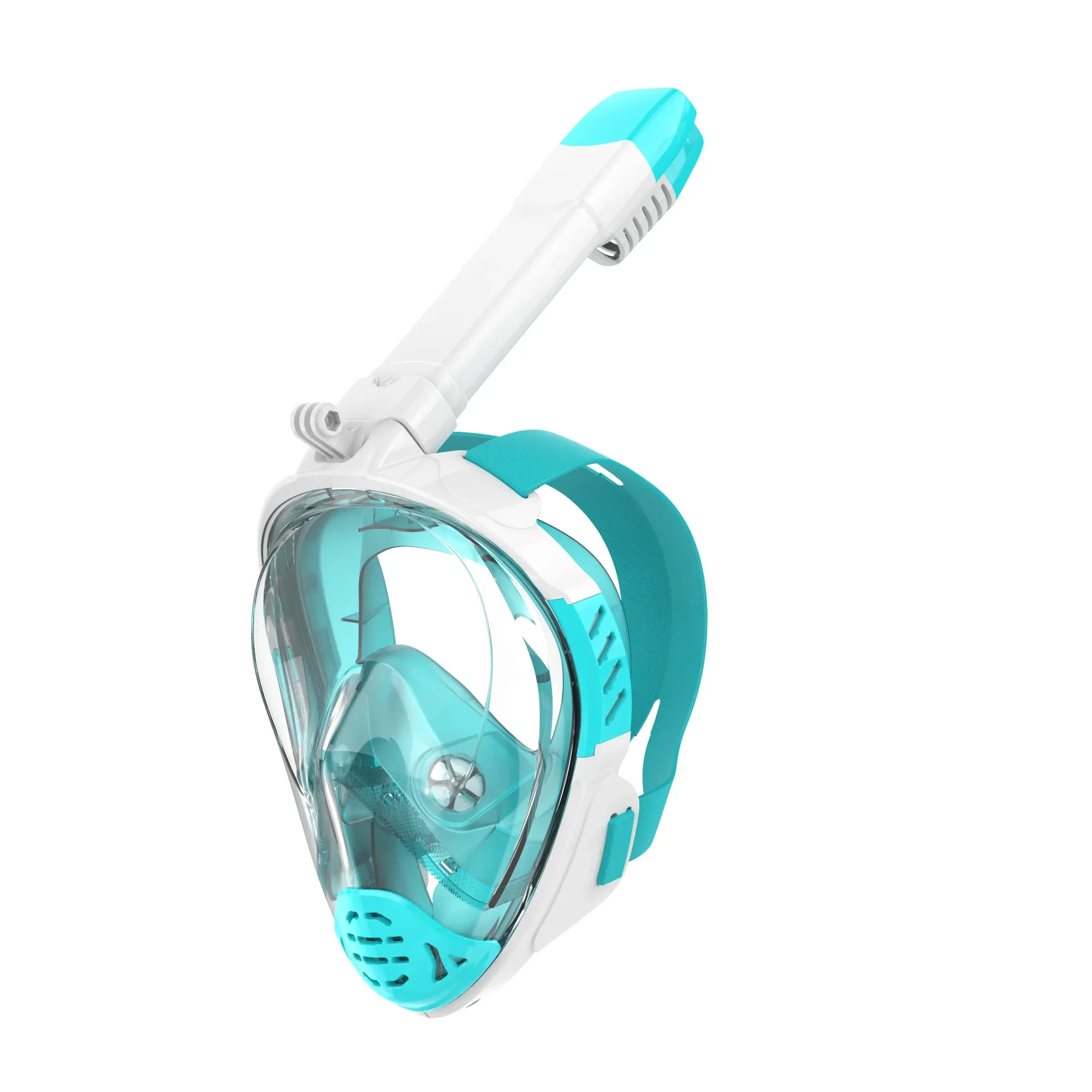
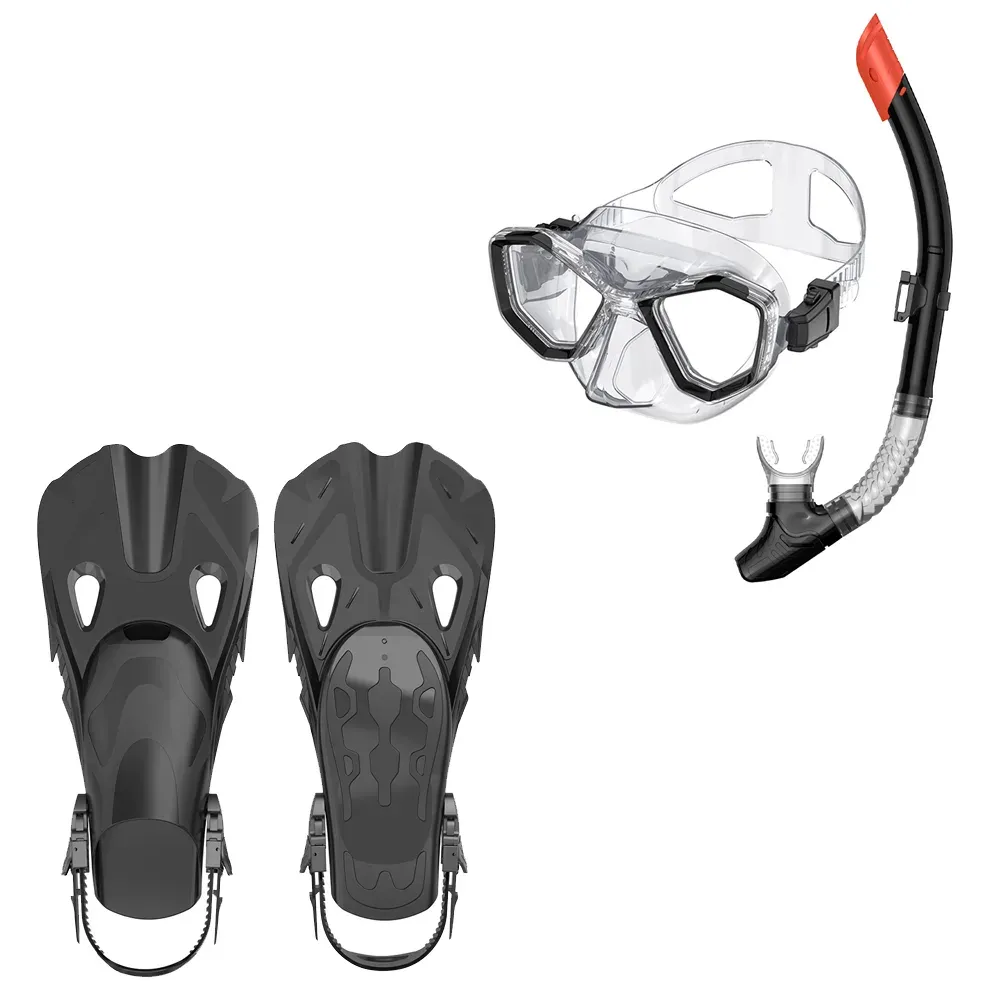
White shark water is cold, often surging and frequently murky - all reasons to bring gear you trust. A mask with a wide field of view and an uncompromising seal keeps the animal in sight through the hood entry adjustment; a 7mm suit, gloves and hood are standard. For no-cage surface work, fins with real drive and a low-drag profile matter more than any accessory. Clip everything: nothing dangles around a great white, by rule.
The great white does not need better press - it needs better visitors.
ZHONGJIAN manufactures dive masks, snorkels and fins for demanding cold-water programs. Cage operators and rental fleets can request specifications at ferrytk898@gmail.com.