Oct 4, 2026Product Knowledge
Diving with Manta Rays: A Diver's Guide
Mantas are the ocean's gentlest giants. Learn how to find them, how to behave around cleaning stations, and what gear suits the encounter.
No dive brief gets people into their fins faster than the word 'manta'. Wing spans that can exceed three meters, ballet-slow movement and obvious curiosity make mantas the most wanted encounter in tropical diving. The good news: they are reliable at hundreds of sites worldwide, and they reward good behavior more than any luck.
Two species, one silhouette
Divers meet two species. The reef manta stays local to island reefs and cleaning stations; the giant manta ranges further offshore and reaches the greatest sizes. Both feed on plankton by filter-feeding, both visit cleaner fish, and both are harmless to humans. Their closest relatives are sharks - a kinship visible in the shoulder structure and the way they swim.
Where and how to see them
Cleaning stations are the secret. Mantas return to the same coral heads and seamounts to be groomed by wrasse, often on a predictable schedule - operators who work a station daily know the timings. The Maldives' Hanifaru Bay in the southwest monsoon, Indonesia's Raja Ampat and Komodo, and Hawaii's night plankton dives are among the most consistent. Fiji, Mozambique and Palau fill out a diver's manta map.
Behavior that keeps them close
Veteran guides teach the same three rules. Stay low and still near the station. Let the manta choose the pass - never swim at one, never block its path, never ride a vortex. And keep your bubbles modest: mantas often hover directly over divers who have gone quiet. If a manta barrels toward you, hold position and lean back; it will pass centimeters away and turn your dive into legend.
Gear for manta dives
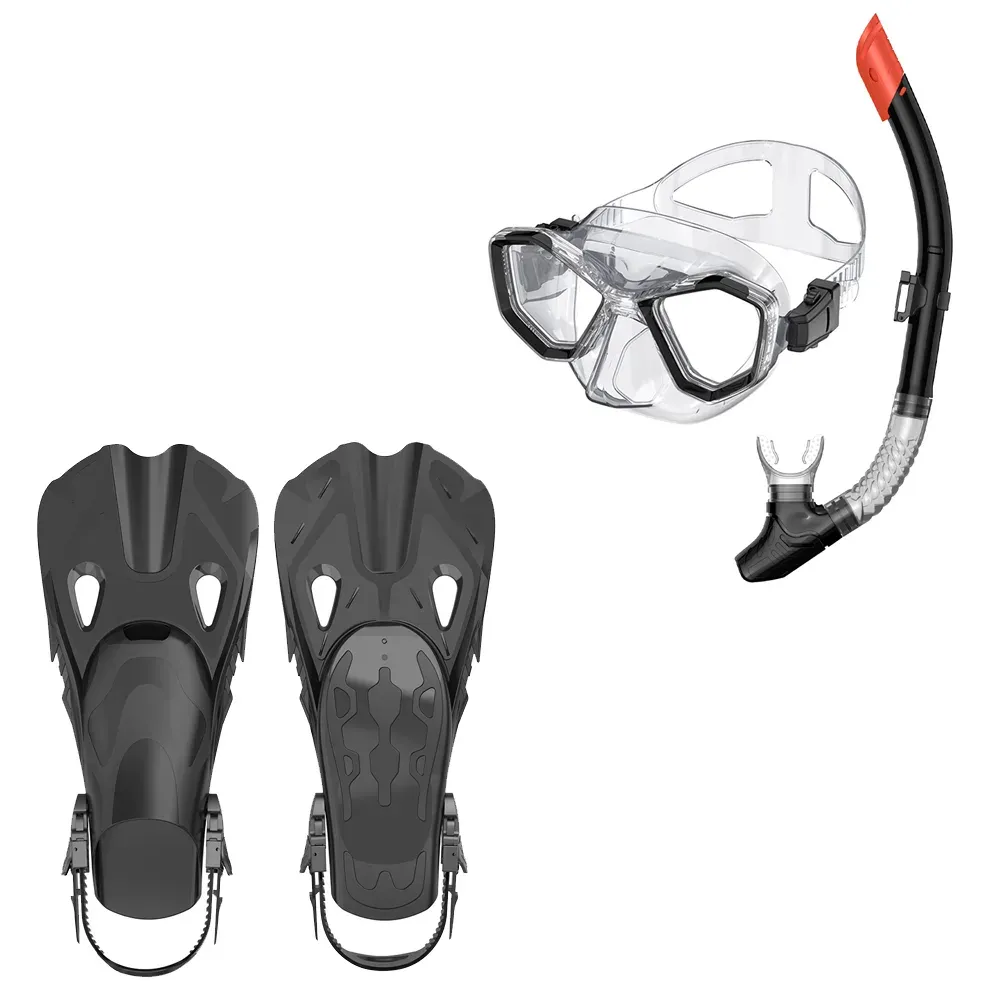
Mantas prefer shallow, current-swept stations, so plan for both. A wide-field dive mask keeps a three-meter wingspan in view without turning your head; low-volume designs are also easier to clear while hovering. Fins matter twice: stiff enough for the swim out, precise enough that you are not kicking coral while a manta barrels past. Clip your snorkel tight - nothing should dangle in the presence of ocean royalty.
You do not chase a manta. You hold still, and the manta decides.
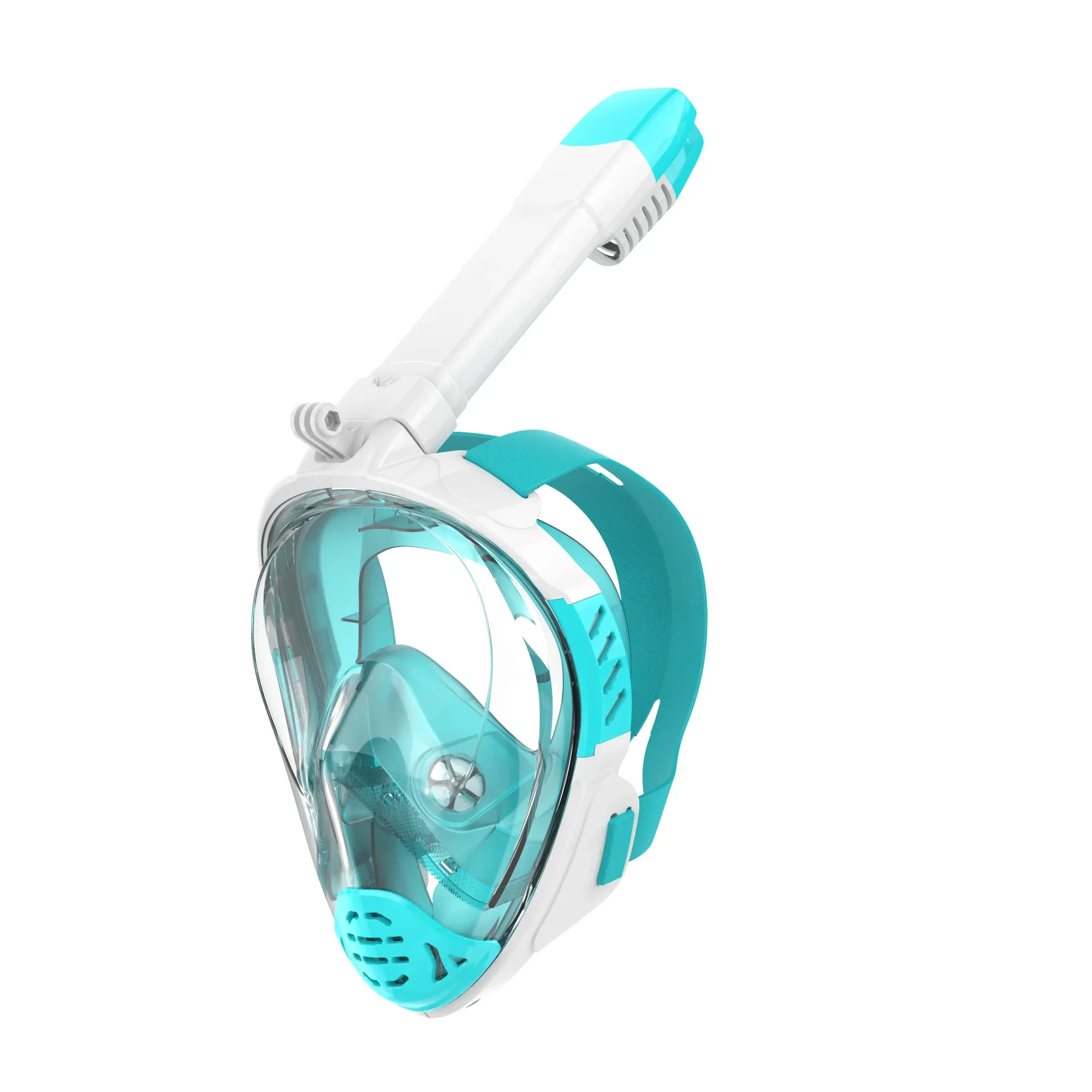
ZHONGJIAN makes dive masks and fins for hover-and-watch encounters in warm water, plus full face models for snorkelers at surface stations. Send your program requirements to ferrytk898@gmail.com.