Oct 4, 2026Diving Destinations
Diving with Bull Sharks: What Divers Need to Know
Bull sharks are found in warm coastal waters worldwide. Learn their behavior, the best destinations to see them, and the gear and etiquette for a safe dive.
Bull sharks are among the most talked-about animals in diving - big, powerful and unusually tolerant of both salt and fresh water, which brings them closer to human coastlines than almost any other large shark. For divers, meeting one is a genuine bucket-list moment. For the same reason, it is a dive that deserves preparation.
A short profile of the bull shark
Bull sharks are stocky, short-snouted sharks that favor warm, shallow coastal water. They can tolerate fresh water and have been recorded far up rivers, which makes encounters possible in places most sharks never reach. They are fast and agile hunters, and they are naturally curious - especially where food or bait is present.
Where to see bull sharks
Several well-established destinations offer reliable seasonal encounters. The Yucatán Peninsula in Mexico offers shallow-water sites where bull sharks gather in winter. Fiji's Beqa Lagoon is famous for its shark reef, where organized feeding dives bring multiple species together. Bimini in the Bahamas runs welcoming, well-managed encounters with resident bull sharks, and Costa Rica's Cocos Island - reached by liveaboard - pairs bull sharks with a raw oceanic setting.
Each destination runs its own approach and its own rules. What they share is that encounters are most predictable in the cooler-to-warm shoulder seasons, and that operators know the local animals and their patterns.
Safety: behave like a guest
The fundamentals of shark diving are simple and consistent. Keep your hands to yourself and stay close to the reef or the seabed where practical. Move slowly and avoid sudden splashing on the surface, which reads as a struggling animal. Don't block the shark's path - give it open water and let it choose the distance. Follow the dive briefing exactly; local operators have learned their protocols over thousands of dives.
It also helps to understand that most incidents involving sharks worldwide happen near the surface, near shore, in low visibility or around fishing activity - not on organized, professionally briefed dives. Reduce the unknowns: dive with a reputable operator, in a group, in conditions you can handle.
Gear for shark diving
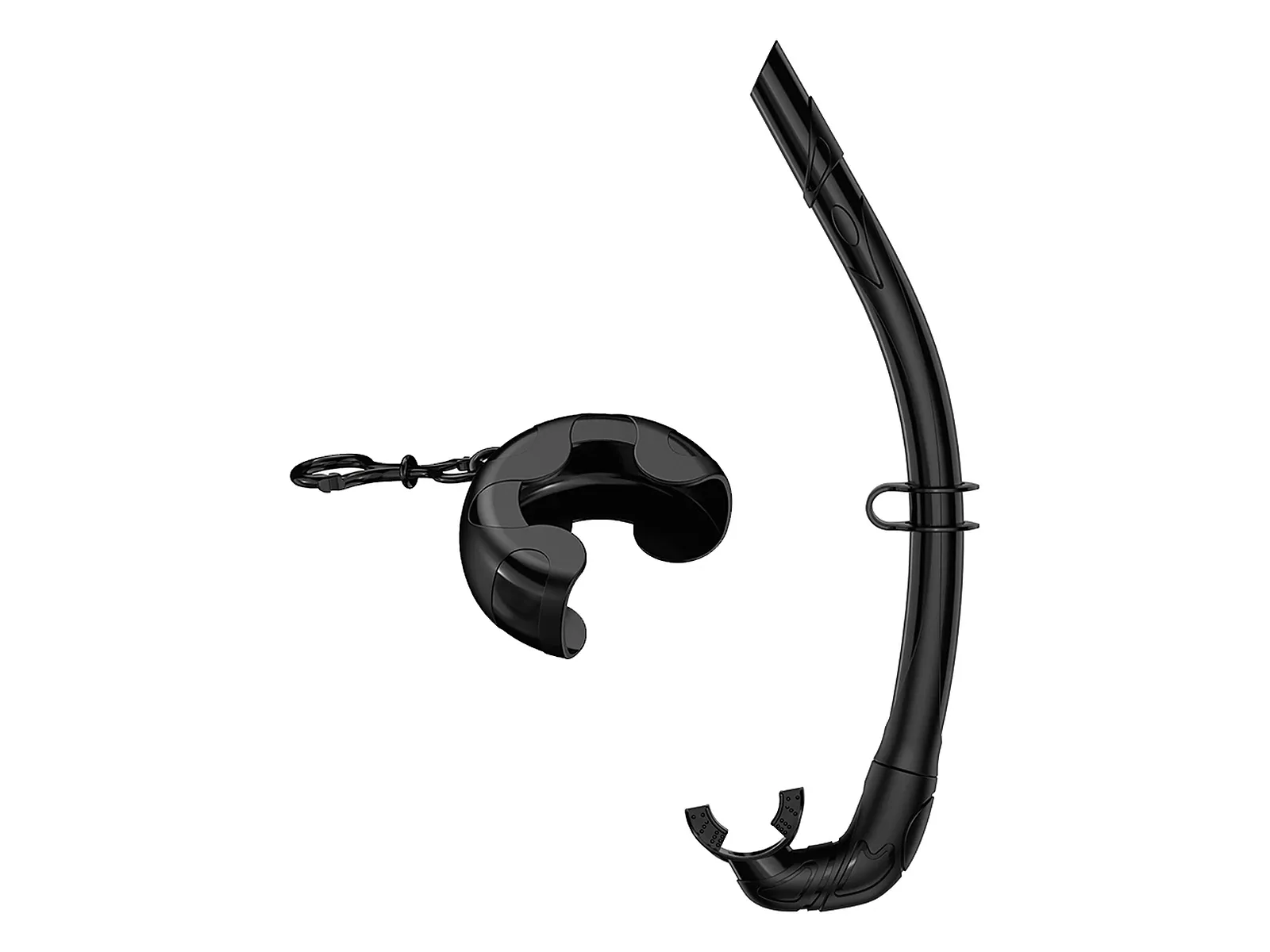
Shark dives reward simple, low-contrast gear. Neutral colors are the traditional choice; glinting or bright reflective metal and high-contrast patterns can draw attention you do not need. A well-sealed dive mask with a wide field of view keeps the animal in sight without turning your head, and a low breathing profile helps you hold your position in the water column.
A silicone strap that holds firmly matters more than usual - you cannot reach up to adjust a slipping mask while a bull shark cruises past. Snorkel clips should be secure, with nothing left dangling to sway in the current.
ZHONGJIAN produces diving masks, snorkels and fins used by dive operators worldwide. If you run shark dives, snorkel tours or rental fleets, send your gear requirements to ferrytk898@gmail.com and we will confirm a specification and quotation.