Oct 4, 2026Diving Destinations
Coral Triangle Creatures: What Divers Can See and Where
The Coral Triangle holds 76% of the world's coral species. Meet the headline creatures divers travel to see and learn what gear suits each encounter.
Spanning six countries - Indonesia, Malaysia, the Philippines, Papua New Guinea, the Solomon Islands and Timor-Leste - the Coral Triangle is the most biodiverse marine region on Earth, home to around 76 percent of the world's coral species. For divers, it is less a destination than a lifetime of destinations.
Six countries, one reef system
The region's biodiversity comes from its geography: warm shallow seas, complex island chains and currents that carried species across the Indo-Pacific for millions of years. A single dive site in Raja Ampat or Komodo can log more species than an entire Caribbean island.
The creatures divers come for
Start with the psychedelic frogfish, a walking fish with a trippy pattern found in Indonesian muck sites. Add mandarin fish emerging at dusk, blue-ringed octopus in rubble, and the pygmy seahorse, which lives only on specific sea fans - spotting one is a masterclass in patience.
Reefs bring the big cast too: reef manta rays at cleaning stations, hammerheads at dawn in the Philippines, and in the Solomon Islands, wreck diving that pairs with coral gardens. The variety rewards a simple strategy - pick two or three signature species per location and let the rest be a bonus.
Gear for the Coral Triangle
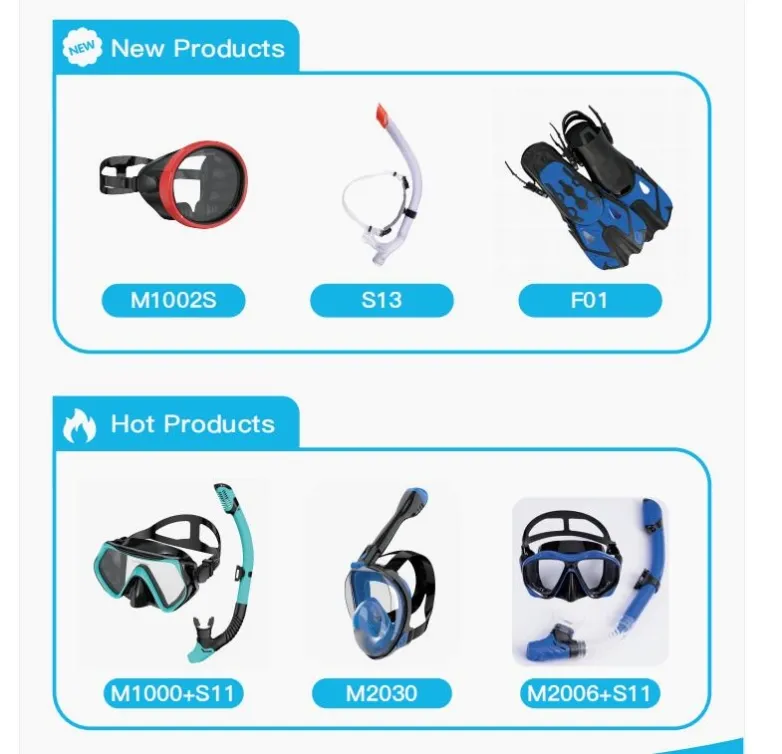
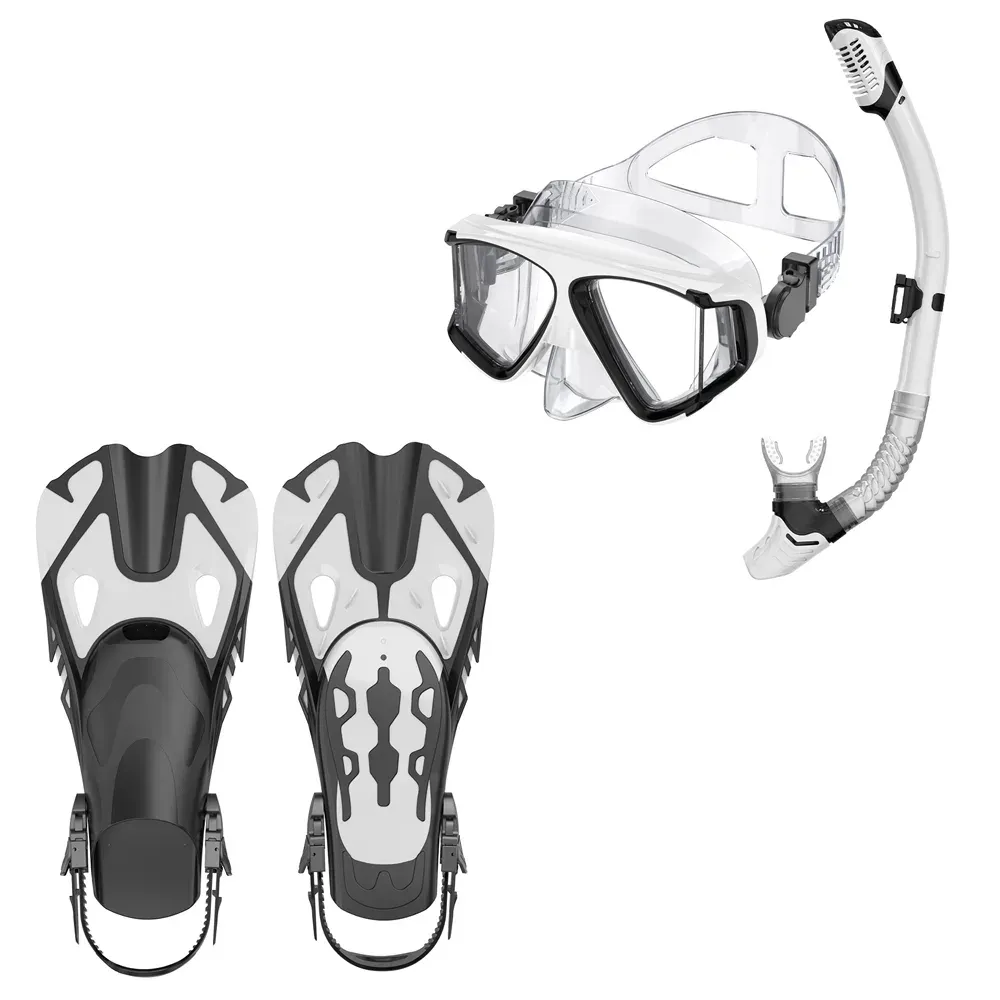
Diving here means small targets, gentle approaches and warm water. For critter hunting, a low-volume mask with a sharp close view keeps eyes on the reef, while soft, precise fins let you hover without kicking up sediment. For manta and shark sites, a wide-view mask and strong fins handle current and open water. One travel fin that does both is the practical choice for a multi-island itinerary.
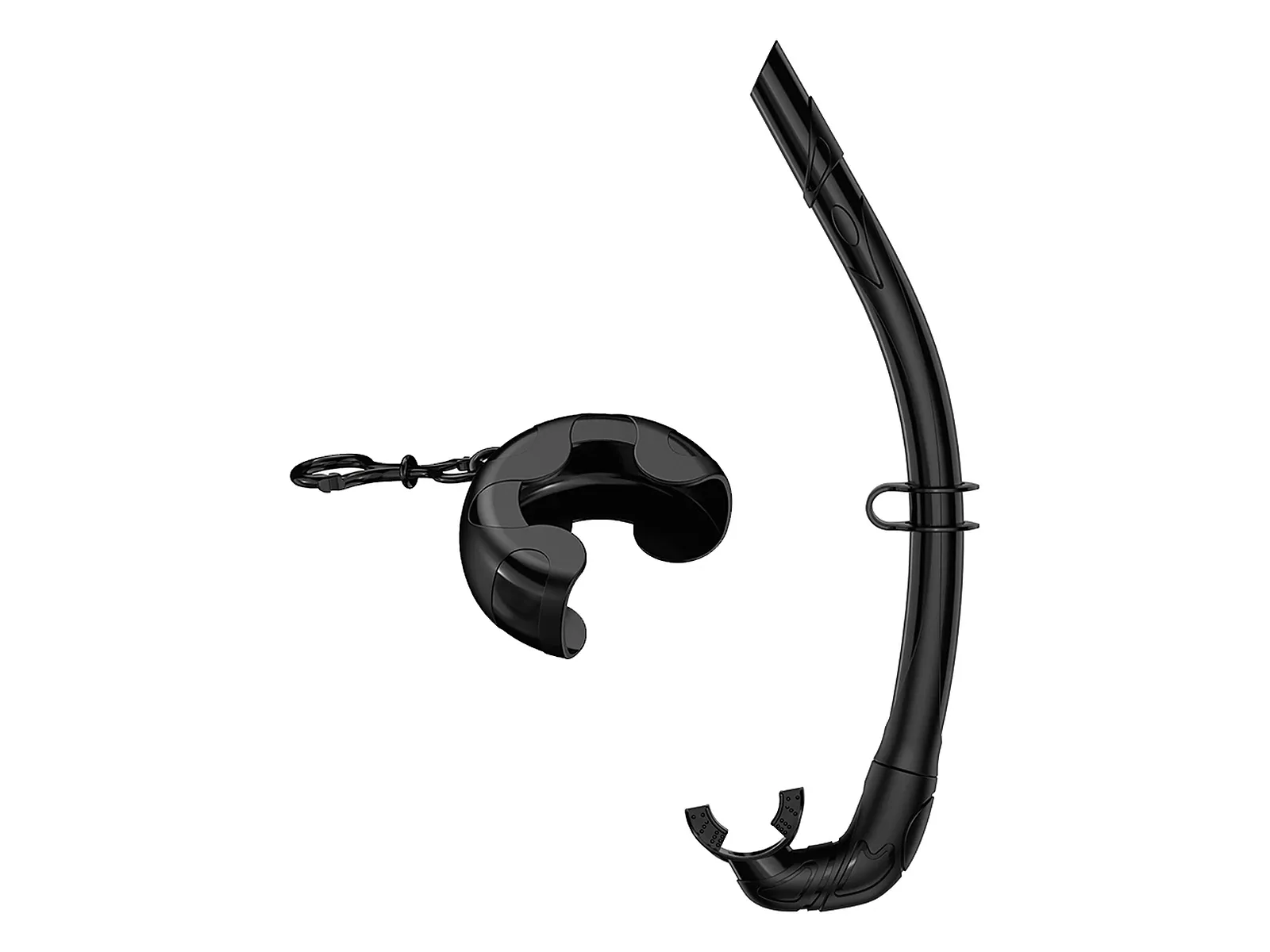
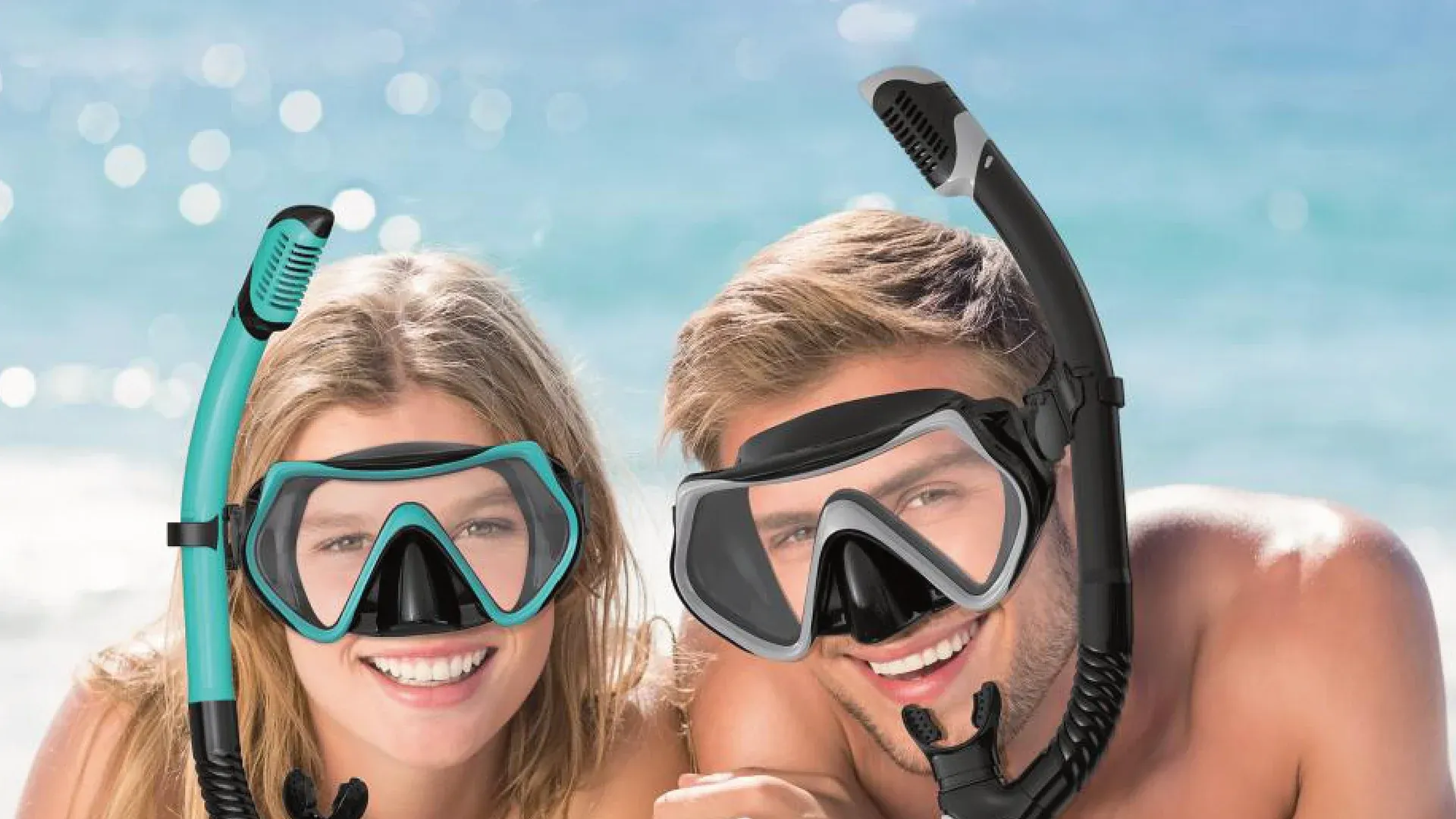
A dry-top snorkel earns its place on the surface intervals - many of the best encounters here happen at three to eight meters on snorkel, not on scuba.
Planning that protects the place
Biodiversity is fragile: never touch, never chase, and keep fins off the coral. Follow local marine park rules, prefer operators that brief ecologically, and pay park fees - they fund the patrols. The reef you come to see is the reef your visit should protect.
In the Coral Triangle, the smallest creature often delivers the biggest memory.
ZHONGJIAN builds full face snorkel masks, dive masks, snorkels and fins for warm-water and macro diving programs. Operators and importers can request specifications at ferrytk898@gmail.com.