Oct 4, 2026Product Knowledge
Protecting the Coral Triangle: How Divers Can Help
The Coral Triangle is the most biodiverse marine region on Earth - and it needs visitors who dive responsibly. Here is how divers can help protect it.
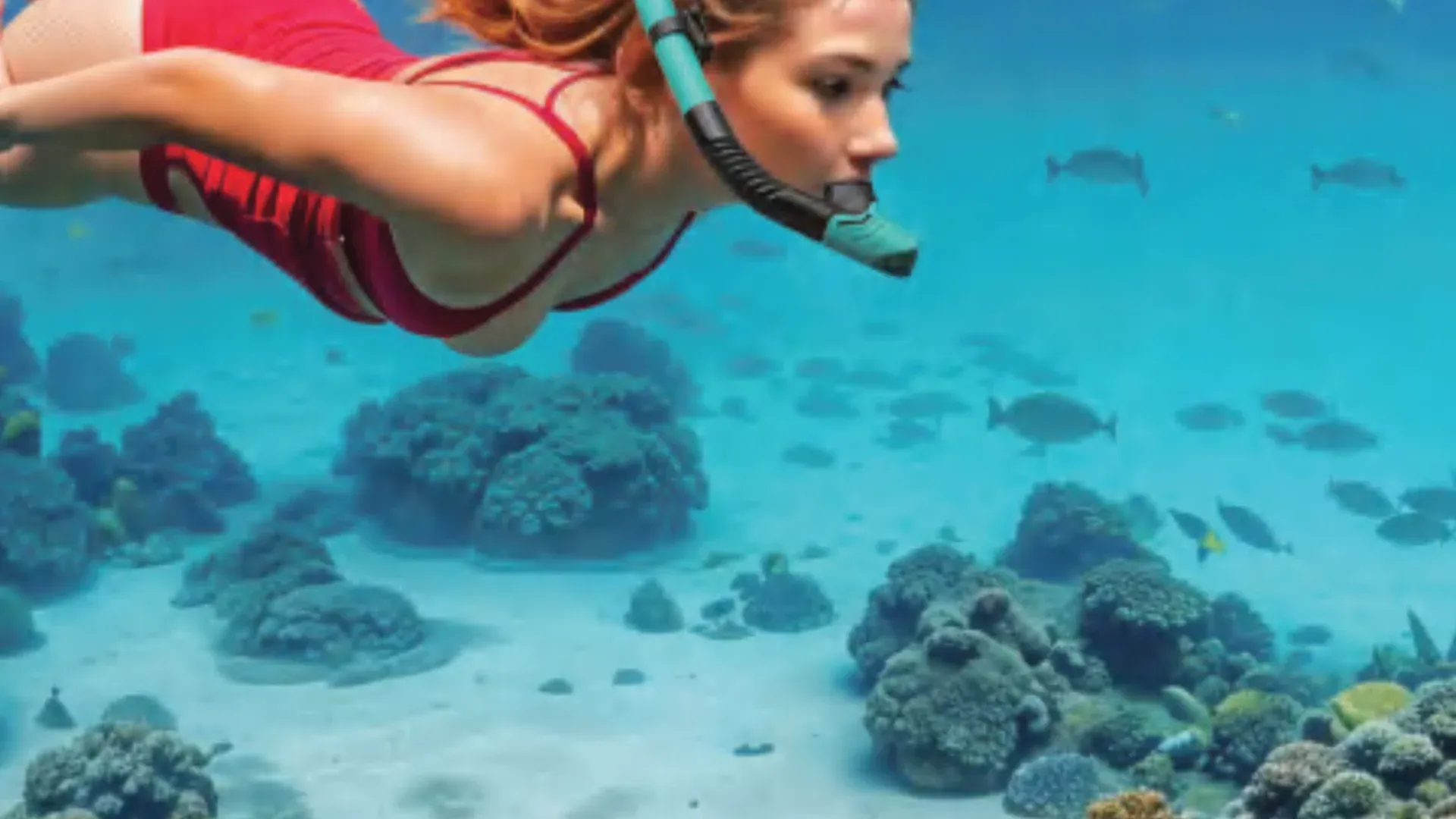
Coral Triangle Day on 9 June spotlights the marine region at the heart of global ocean biodiversity - the waters of Indonesia, Malaysia, the Philippines, Papua New Guinea, the Solomon Islands and Timor-Leste. Rising sea temperatures, bleaching events and shifting wildlife migrations make this region a frontline of conservation. For divers, it is also a place where individual choices have visible consequences.
What makes the Coral Triangle special
The region holds around 76 percent of the world's coral species, more reef fish species than anywhere else, and spawning grounds that seed reefs across the Indo-Pacific. When this system is healthy, it supports food security and livelihoods for millions of people across the six nations.
The threats are real - and so is the response
Warming seas cause coral bleaching; overfishing removes the grazers that keep reefs clean; coastal development clouds the shallows. Against that, the region has some of the world's most ambitious marine protected areas, community-managed no-take zones and reef restoration programs. Many rely on dive tourism funding, which makes visiting divers part of the solution when they visit well.
Six habits of a responsible diver
Dive within your limits and your buoyancy standard - untouched coral is the only coral that counts. Never stand on, kneel on or hold reef. Keep fins off the bottom and let your trim do the work. Chase nothing; if an animal withdraws, accept the sighting. Wear reef-safe sun protection. And choose operators who brief conservation rules and enforce them.
Every gram of buoyancy you master is a square metre of coral that keeps its future.
Gear supports the discipline
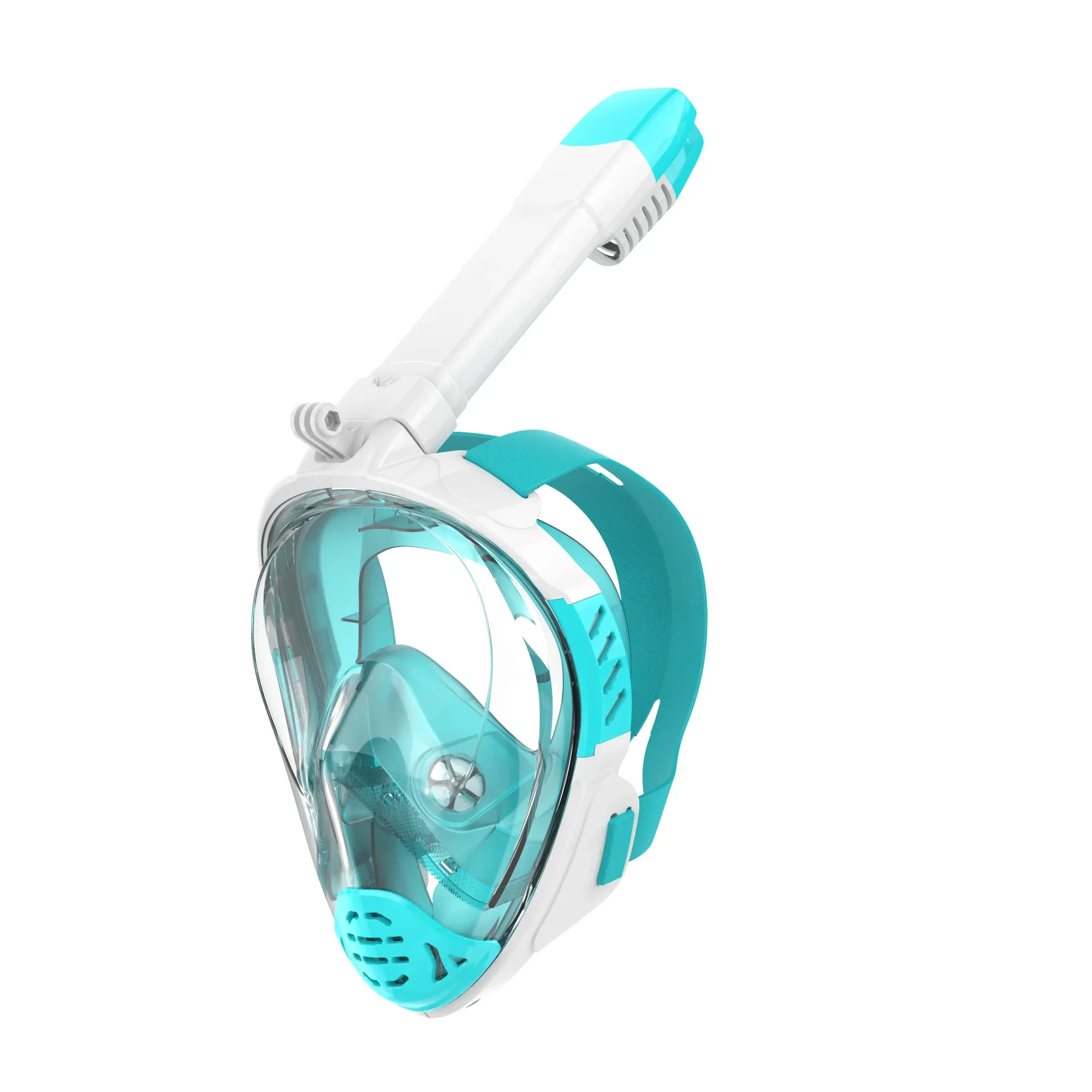
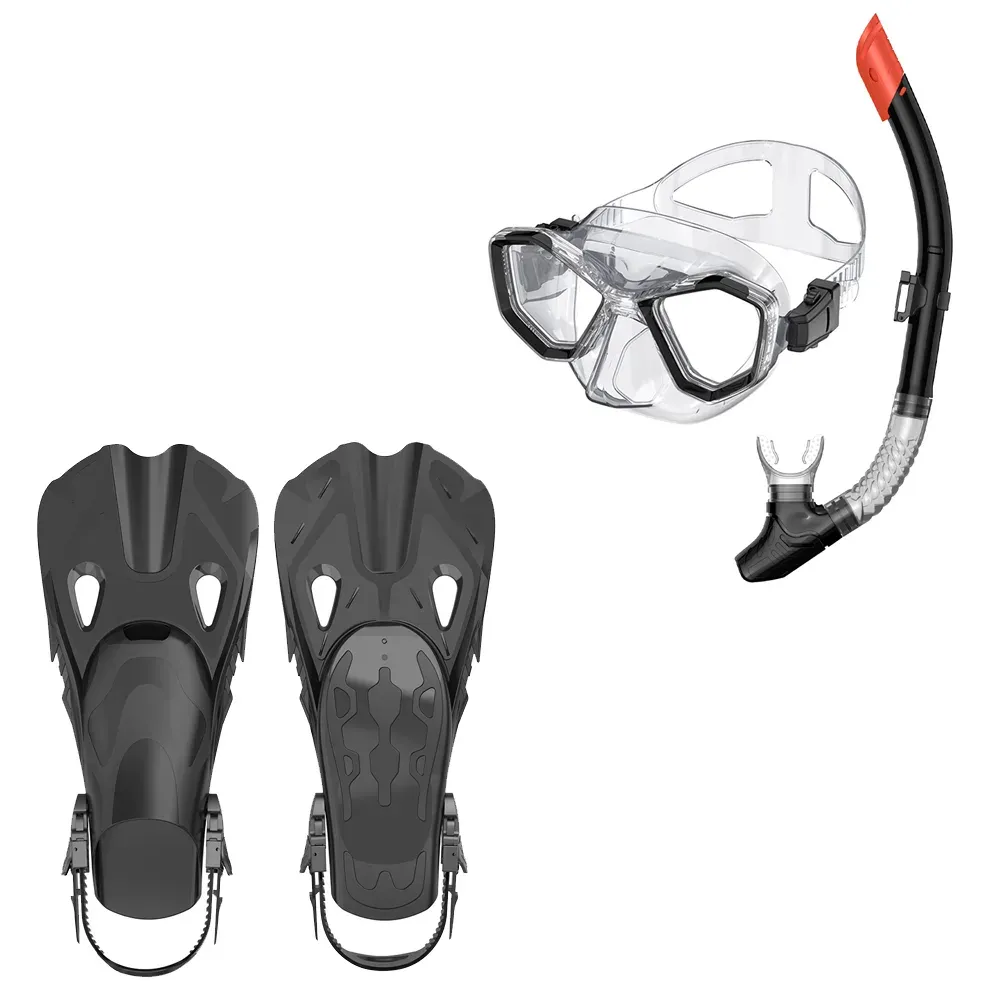
Responsible diving is easier with gear that behaves: a mask that seals so you never have to hold it, a snorkel that stays clipped and out of the way, fins precise enough for slow exploration. Well-fitted equipment removes the improvisation that leads to crashes and contacts.
Support beyond the dive
Pay marine park fees, donate a dive day to a reef survey or citizen-science program, and buy from operators that employ local guides. Community employment is one of the strongest predictors of effective reef protection.
ZHONGJIAN supplies diving masks, snorkels and fins to dive operators and conservation-minded rental fleets worldwide. To discuss gear programs for your operation, contact ferrytk898@gmail.com.