Oct 4, 2026Product Knowledge
Bull Shark Facts Every Diver Should Know
Bull sharks are big, bold and worth understanding. Six facts that explain where they live, how they behave and how to dive with them responsibly.
No shark divides opinion like the bull shark. It is one of the few species that moves between salt and fresh water, it patrols busy coastlines, and it hunts with a speed that makes the nickname 'brutish' feel earned. It is also a crucial apex predator in decline across part of its range - classified as Vulnerable on the international red list, mainly thanks to human activity. Here is what divers should understand before sharing water with one.
Fact one: the freshwater trick
Bull sharks can tolerate fresh water, and not just briefly - they have been recorded far up rivers and tributaries. Specialized kidneys process the salt-balance shift. That ability puts them in places most sharks never reach, including estuaries where nurseries form and river mouths where warm runoff attracts fish.
Fact two: the name
The 'bull' in bull shark comes from the animal's build - a stocky body and short, blunt snout - and its direct, fast approach. They are not among the largest sharks, but they are among the boldest.
Fact three: where you meet them
Reliable encounters cluster at warm coastal sites: Fiji's Beqa Lagoon, Playa del Carmen's season in Mexico, Bimini in the Bahamas, and the seasonal aggregations around Costa Rica's Cocos Island. Bull sharks also populate the tropical rivers and bays of both hemispheres - a good reason the night dive briefing always says 'look before your feet touch sand'.
Fact four: how to be a good guest
The rules that work for all big sharks work here. Stay vertical, close to the reef or bottom when practical. No splashing on the surface, no grabbing, no feeding unless a licensed operator runs a managed feed. Give the animal the open water side; if it turns broadside to inspect you, hold still and let it finish the sentence.
Fact five: gear that respects the encounter
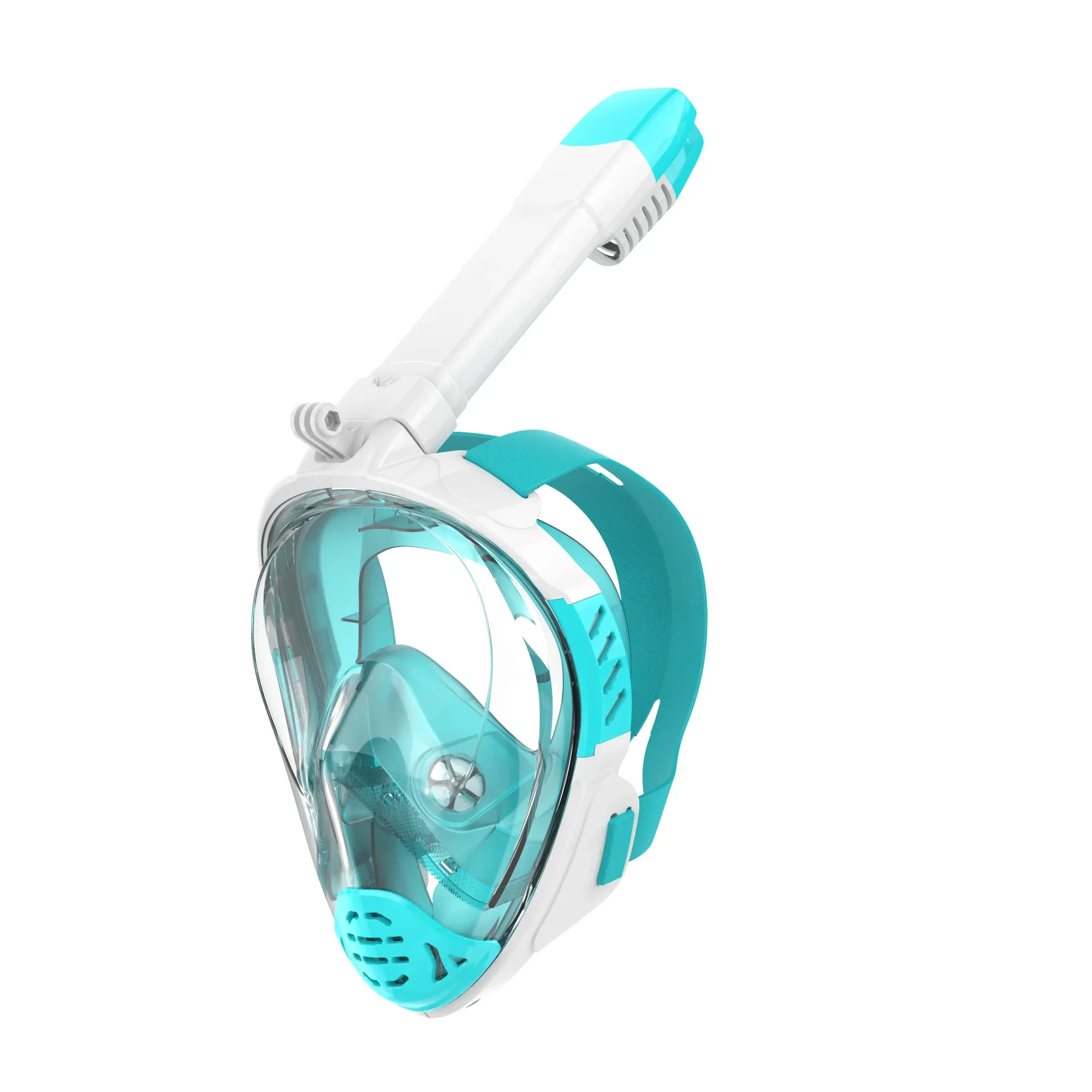
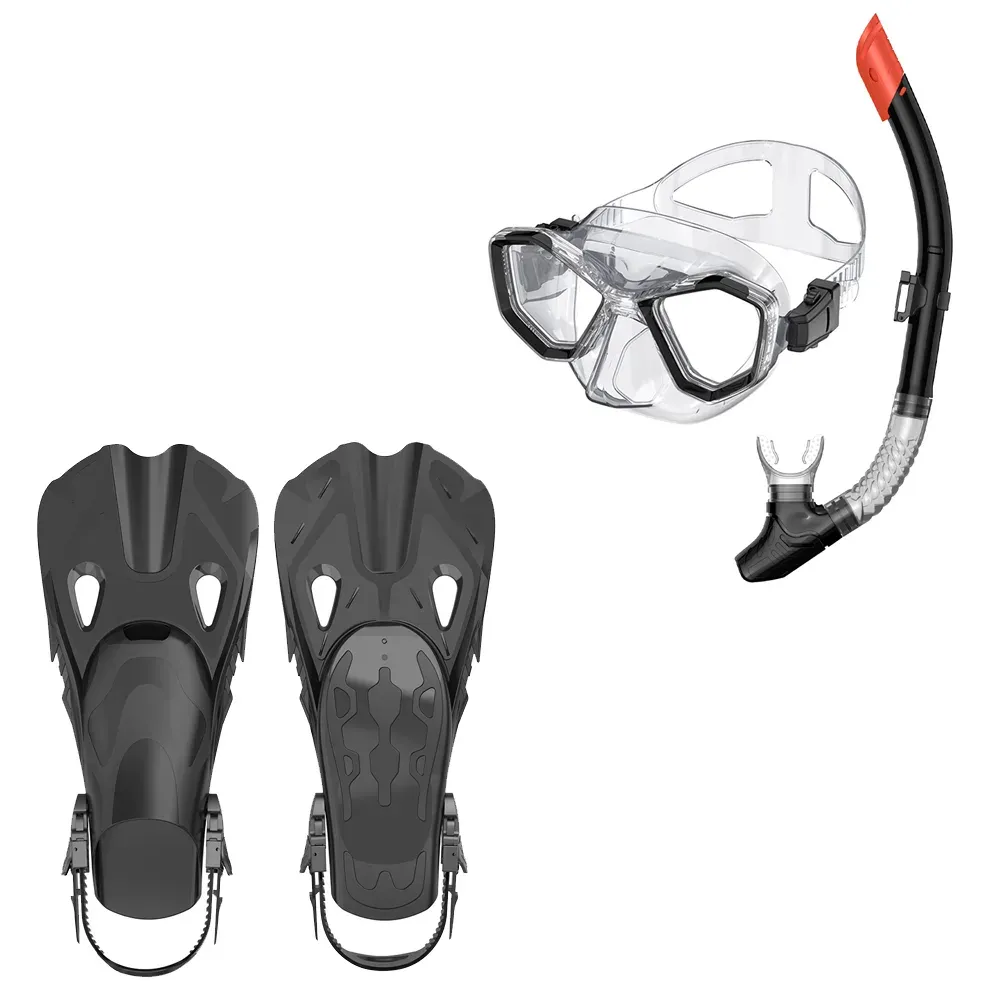
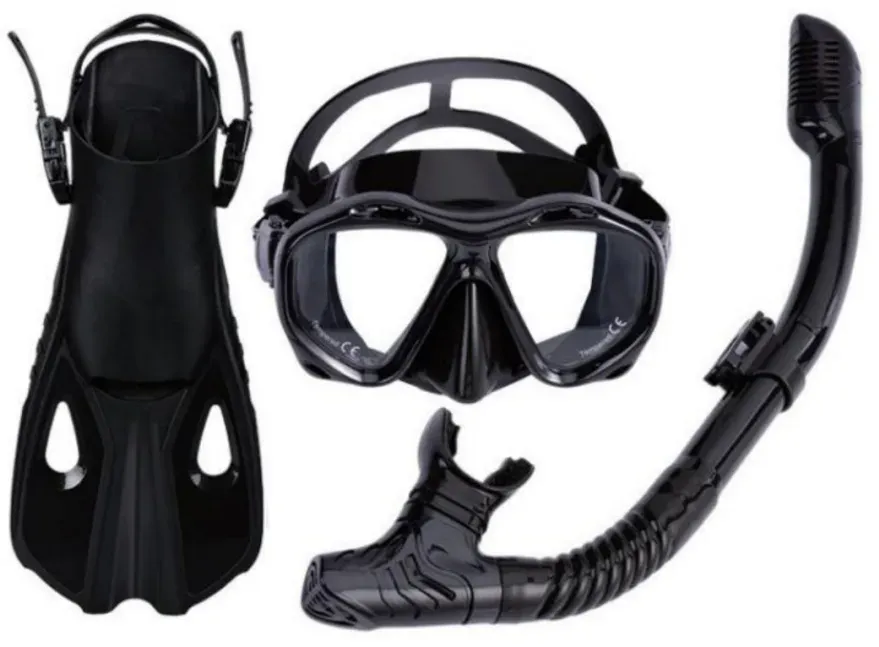
Neutral colors, no dangling accessories, trimmed gear. A snug, wide-view mask keeps the animal in sight without head-turning; a low breathing profile keeps your position calm. Clip the snorkel; it has no business in the water on a shark dive.
Fact six: why they matter
Bull sharks keep coastal food webs honest - removing them cascades into prey species and seagrass. Conservation depends on understanding, and understanding depends on divers behaving well enough to see them.
ZHONGJIAN manufactures diving masks, snorkels and fins used by tour operators and rental fleets globally. Program inquiries: ferrytk898@gmail.com.